Authentic Masala Vada Near Me in New Jersey: What to Try
Finding a truly authentic Indian snack outside its region of origin can be challenging because traditional snacks are often connected to local ingredients, cooking methods, and cultural habits. When diners search for Masala Vada Near Me in New Jersey, they are usually looking for more than a crispy fried snack. They are looking for the right texture, traditional spices, and the regional flavors that make South Indian cuisine unique.
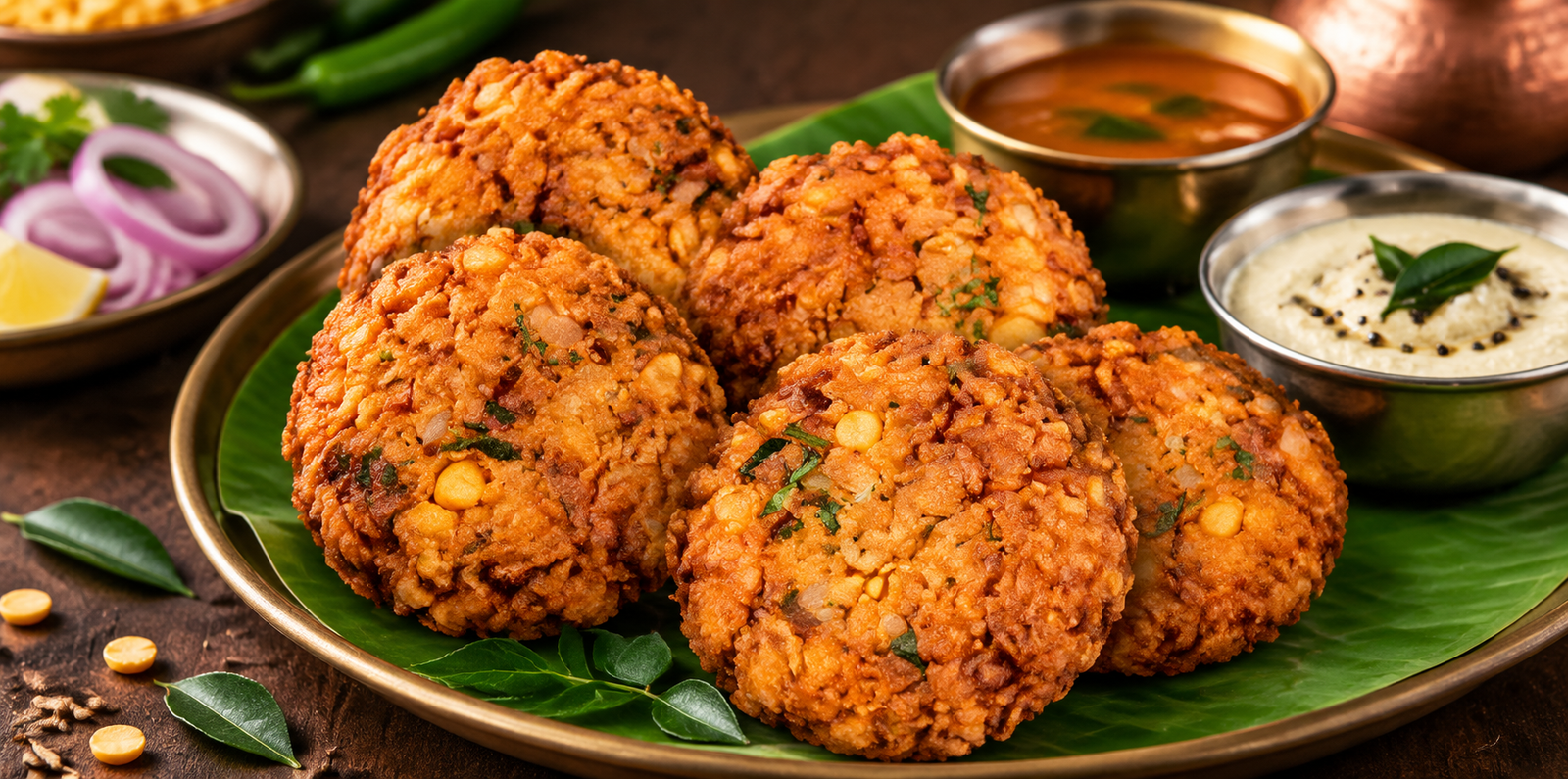
Masala Vada, also known as Masala Vadai, is one of the most popular South Indian snacks. Made primarily with ground lentils, spices, onions, and herbs, this snack represents the simplicity and creativity of Indian cooking. A well-prepared masala vada has a crisp outer layer, a flavorful interior, and an aroma created by freshly ground spices and herbs.
For people exploring Indian Food Near Me or searching for an Indian Restaurant Near Me, understanding the tradition behind masala vada can help them appreciate why this snack remains a favorite across generations.
What Makes Masala Vada a Classic South Indian Snack?
Masala Vada is a traditional South Indian snack made from ground lentils mixed with spices, onions, herbs, and chilies before being shaped and fried until crispy. It is known for its crunchy exterior, soft flavorful center, and aromatic spice profile created through simple ingredients and traditional preparation techniques.
Unlike many snacks that depend on heavy sauces or fillings, masala vada highlights the natural flavor of lentils.
The main ingredients usually include:
- Chana dal (split chickpeas)
- Onions
- Green chilies
- Curry leaves
- Ginger
- Fennel seeds
- Coriander leaves
- Regional spice blends
The lentils provide a nutty flavor and firm texture, while the spices create warmth and aroma.
The appeal of masala vada comes from contrast: a crisp outside created through frying and a slightly coarse, flavorful inside that reflects the texture of freshly ground lentils.
This is why diners searching for Crispy Masala Vada New Jersey often look for restaurants that follow traditional preparation methods.
The Cultural Story Behind Masala Vadai
Masala vadai is deeply connected to South Indian snack culture, especially in Tamil Nadu and other southern regions of India. It is commonly enjoyed during tea time, festivals, family gatherings, and celebrations.
One important feature of South Indian cuisine is how everyday ingredients are transformed into meaningful dishes.
Lentils, for example, are a common ingredient in Indian cooking because they are versatile and provide texture and flavor. Through different techniques, the same ingredient can become dishes such as:
- Vada
- Sambar
- Dal preparations
- Lentil-based snacks
Masala vada also reflects the importance of freshly prepared food in Indian culinary traditions. Instead of relying on complex ingredients, the dish creates depth through proper soaking, grinding, seasoning, and frying techniques.
For diners exploring South Indian Masala Vada New Jersey, learning this background provides more appreciation for the snack.
How Is Crispy Masala Vada Prepared Traditionally?
Traditional masala vada is prepared by soaking lentils, grinding them into a coarse mixture, combining them with spices and aromatics, and frying shaped portions until golden and crisp. The coarse texture of the lentil mixture is essential because it creates the signature bite and contrast between the crunchy outside and tender center.
The preparation involves several important steps:
Soaking the Lentils
Chana dal is soaked to soften the lentils and prepare them for grinding. This step helps create the right texture.
Grinding the Mixture
Unlike smooth batters, masala vada uses a coarse grind. Small pieces of lentils remain, giving the snack its distinctive texture.
Adding Aromatic Ingredients
Ingredients like onions, curry leaves, ginger, chilies, and fennel seeds are mixed into the batter to create layers of flavor.
Frying to Perfection
The shaped vadas are fried until the exterior becomes golden and crisp while maintaining a flavorful interior.
The cooking process is what separates traditional masala vada from ordinary fried snacks.
Exploring Masala Vada at Thanjai Mess in North Brunswick
For diners searching for Masala Vada Near Me in New Jersey, Thanjai Mess in North Brunswick Township offers an opportunity to explore South Indian snack traditions.
Located in North Brunswick Township, New Jersey, Thanjai Mess focuses on South Indian cuisine, where snacks such as masala vada represent the connection between everyday meals, regional flavors, and traditional cooking methods.
For guests searching for an Indian Restaurant New Jersey experience, snacks like masala vada provide an approachable way to explore South Indian flavors.
Masala vada can be enjoyed in different ways:
- As an evening snack with tea or coffee
- As part of a South Indian meal
- As a shared appetizer
- As a takeout option
For those looking for Indian Snacks Near Me in New Jersey, traditional snacks offer a chance to explore flavors beyond common restaurant choices.
What Should First-Time Visitors Know About Masala Vada?
First-time visitors should expect masala vada to be a savory, crispy snack with bold spice notes and a hearty lentil-based texture. It is not a soft bread or filled snack; instead, it highlights the flavor of ground lentils, herbs, and spices through a traditional frying technique.
A few tips can improve the experience:
Enjoy It Fresh
Masala vada is best enjoyed shortly after preparation because freshness preserves its crisp texture.
Pair It With Chutneys
Common accompaniments include:
- Coconut chutney
- Mint chutney
- Tomato chutney
These add freshness and balance to the fried snack.
Try It With Other South Indian Dishes
Masala vada pairs well with:
- Dosa
- Idli
- Sambar
- Filter coffee
This creates a more complete South Indian dining experience.
How Are South Indian Snacks Different From Other Indian Snacks?
South Indian snacks often focus on ingredients such as lentils, rice, coconut, curry leaves, and fermented batters. They frequently emphasize texture and preparation techniques like grinding, steaming, and frying, creating snacks that are different from wheat-based or chaat-style snacks commonly associated with other regions of India.
For example:
- Masala vada uses lentils as its foundation.
- Samosa uses a pastry shell with a spiced filling.
- Pakora uses vegetables coated in batter.
Each represents a different regional approach to Indian snacking.
This diversity is one reason why exploring South Indian Snacks in New Jersey can introduce diners to a wider range of Indian culinary traditions.
Practical Guide for Enjoying Masala Vada in New Jersey
For First-Time Indian Food Visitors
Masala vada is a good starting point because it offers familiar fried-snack appeal while introducing traditional Indian flavors.
For Families
Families can enjoy masala vada as a shared appetizer before ordering other dishes.
A balanced table may include:
- Masala vada
- Dosa varieties
- Vegetarian curries
- Rice dishes
- Desserts
For Snack Lovers
Those who enjoy crispy textures and savory flavors may appreciate masala vada as an alternative to common snack options.
For Takeout
Masala vada can be included in Indian Food Takeout New Jersey orders, especially when enjoyed soon after preparation.
Why Regional Indian Snacks Matter in New Jersey’s Food Scene
Indian cuisine continues to grow in New Jersey because diners are becoming more interested in regional specialties and traditional preparations.
Searching for Indian Food New Jersey often leads people to discover dishes that represent different parts of India.
Regional snacks like masala vada introduce diners to:
- Traditional ingredients
- Cultural food practices
- Family recipes
- Regional cooking techniques
In communities like North Brunswick, Indian restaurants provide opportunities for families, professionals, and food enthusiasts to explore these traditions.
Why Do Families Prefer Regional Indian Restaurants?
Families often prefer regional Indian restaurants because they offer variety, allowing everyone at the table to enjoy different flavors. Snacks, vegetarian dishes, rice preparations, and traditional meals provide options for different tastes and dining preferences.
Shared dining is an important part of Indian food culture. Ordering multiple dishes allows guests to experience different textures and flavors together.
Frequently Asked Questions About Masala Vada
What is masala vada made from?
Masala vada is traditionally made from chana dal, onions, chilies, herbs, and spices. The lentils are soaked, ground into a coarse mixture, shaped, and fried to create a crispy snack with a flavorful interior.
Where can I find masala vada in New Jersey?
Thanjai Mess in North Brunswick Township offers South Indian cuisine, including traditional snack options that allow diners to explore regional flavors. It is a suitable option for those searching for masala vada and South Indian snacks in New Jersey.
Is masala vada vegetarian?
Yes, traditional masala vada is vegetarian. It is made primarily with lentils, herbs, spices, and vegetables, making it a popular choice among vegetarian diners.
What dishes pair well with masala vada?
Masala vada pairs well with South Indian favorites such as dosa, idli, chutneys, sambar, and filter coffee. These combinations create a balanced meal featuring different textures and flavors.
A Traditional Snack That Represents South Indian Food Culture
For diners searching for Masala Vada Near Me in New Jersey, this snack offers more than a crispy bite. It represents South Indian culinary traditions, thoughtful preparation methods, and the ability to create memorable flavors from simple ingredients.
Thanjai Mess brings these regional flavors into North Brunswick’s Indian dining landscape, allowing guests to explore traditional snacks alongside other South Indian specialties. For families, snack lovers, and anyone interested in discovering authentic Indian cuisine, masala vada provides a flavorful introduction to the diversity of South Indian food.