Best Filter Coffee Near Me in New Jersey for a Rich & Aromatic Cup
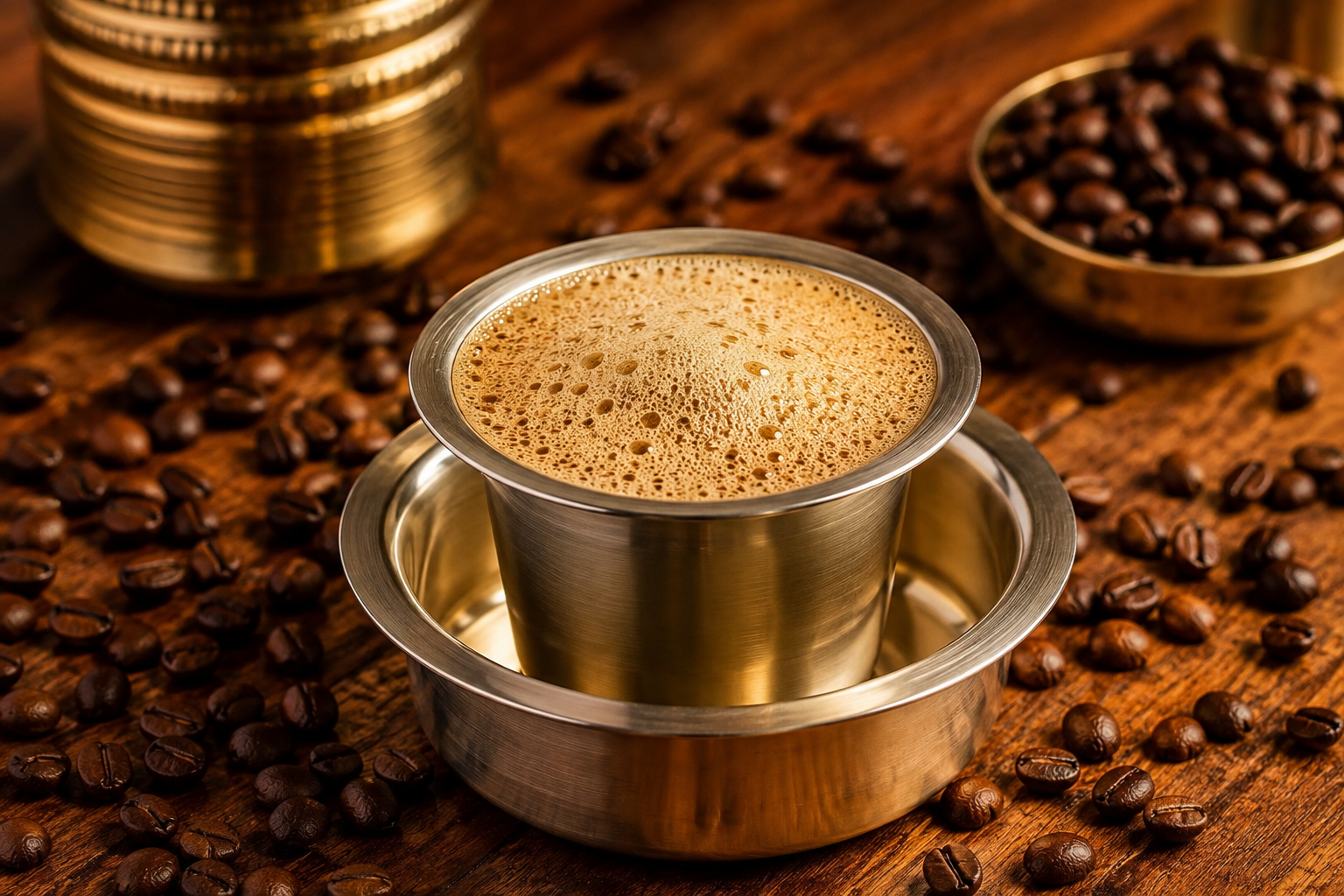
A good South Indian meal often ends with something small but memorable: a cup of filter coffee. Unlike coffee prepared by a typical drip machine, South Indian filter coffee is made from a concentrated decoction of finely ground coffee, usually blended with chicory, and finished with hot milk and sugar. The result is bold, aromatic, creamy, and distinctly roasted.
For people looking for Filter Coffee Near Me in New Jersey, the coffee itself can be a reason to explore South Indian restaurants rather than treating it as an afterthought. It is closely connected to a broader food tradition that includes dosa, idli, vada, pongal, parotta, biryani, and regional Tamil specialties.
North Brunswick Township is part of New Jersey’s diverse Indian dining landscape, giving local diners opportunities to explore these regional flavors without limiting themselves to the familiar restaurant staples.
Why South Indian Filter Coffee Is Different
South Indian filter coffee is distinguished by its concentrated coffee decoction, hot milk, sugar, and the use of a traditional metal filter. Coffee grounds are brewed slowly with hot water to produce a strong decoction, which is then combined with milk and sugar. Chicory is commonly included in the blend, contributing body and a deeper roasted character.
The preparation is one of the biggest differences between filter coffee and an ordinary cup of brewed coffee.
The grounds are placed inside the upper section of a stainless-steel filter. Hot water passes gradually through the coffee, collecting concentrated decoction in the lower chamber. Rather than drinking that decoction alone, it is mixed with hot milk and sugar.
Traditionally, the finished coffee is served in a stainless-steel tumbler with a small bowl-like saucer called a davara. Coffee may be poured between the two vessels several times, both to cool it and to create a characteristic frothy surface.
That preparation gives the drink a recognizable combination of dark coffee aroma, creamy milk, moderate sweetness, and a lingering roasted finish.
What Does Traditional Filter Coffee Taste Like?
The flavor depends heavily on the coffee blend, roast, milk, sugar, and strength of the decoction.
A well-prepared cup can begin with a pronounced roasted aroma before the milk softens the bitterness. Chicory can contribute to an additional body and slightly woody or caramel-like depth. Sugar rounds out the stronger coffee notes without necessarily making the drink taste like a dessert.
This is also why the term Best Filter Coffee in New Jersey is subjective. Some diners prefer a darker, stronger decoction, while others enjoy a creamier and sweeter cup.
For someone ordering it for the first time, the best approach is to think of it as a small, concentrated coffee served as part of a meal, rather than expecting a large American-style coffee.
How Coffee Became Part of South Indian Food Culture
Coffee has become deeply associated with everyday life in South India, particularly in states such as Tamil Nadu and Karnataka. Although coffee was introduced to the Indian subcontinent centuries ago and developed through different regional traditions, South Indian filter coffee eventually became a familiar household and restaurant beverage.
In Tamil homes, coffee is often associated with mornings, hospitality, and conversations. It can follow breakfast, accompany guests, or become part of an ordinary afternoon routine.
Coffee is not necessarily the main event. It is frequently the final element that completes the meal.
Finding Filter Coffee Near Me in New Jersey
If you’re searching for Indian Filter Coffee Near Me, don’t limit the search to cafes. South Indian restaurants are often the better place to look because filter coffee traditionally belongs alongside the cuisine from which it developed.
When comparing options, check whether the menu specifically mentions:
- South Indian filter coffee
- Madras filter coffee
- Idli and vada
- Dosa varieties
- Pongal
- South Indian breakfast
- Tamil or regional South Indian specialties
These menu details provide more useful information than simply seeing “Indian coffee” listed among beverages.
For someone searching Indian Restaurant New Jersey or Indian Food New Jersey, the regional focus of a restaurant can also be important. Indian cuisine covers a vast range of cooking traditions, so a restaurant specializing in South Indian food will offer a different experience from one centered primarily on North Indian dishes.
Thanjai Mess in North Brunswick Township
For diners in North Brunswick Township looking for South Indian food and filter coffee, Thanjai Mess is one restaurant worth considering.
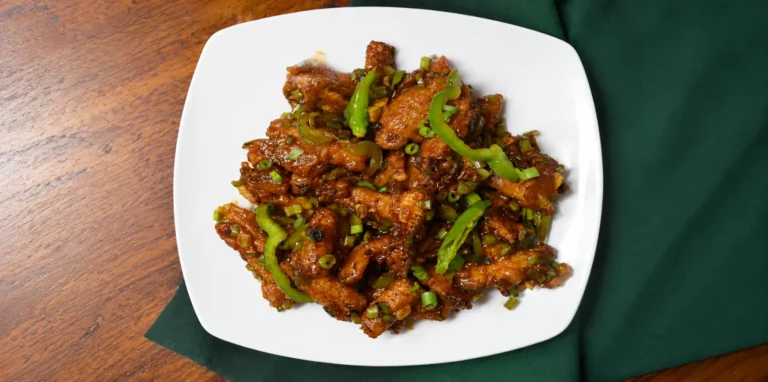
The restaurant’s menu covers several areas of South Indian cooking, including breakfast dishes, dosa, parotta, biryani, vegetarian preparations, seafood, meat dishes, desserts, and beverages.
Its menu currently lists Madras filter coffee, alongside breakfast options such as idli, ghee pongal, medhu vadai, idiyappam, and poori masala. That makes it possible to pair the coffee with traditional South Indian dishes rather than ordering it on its own.
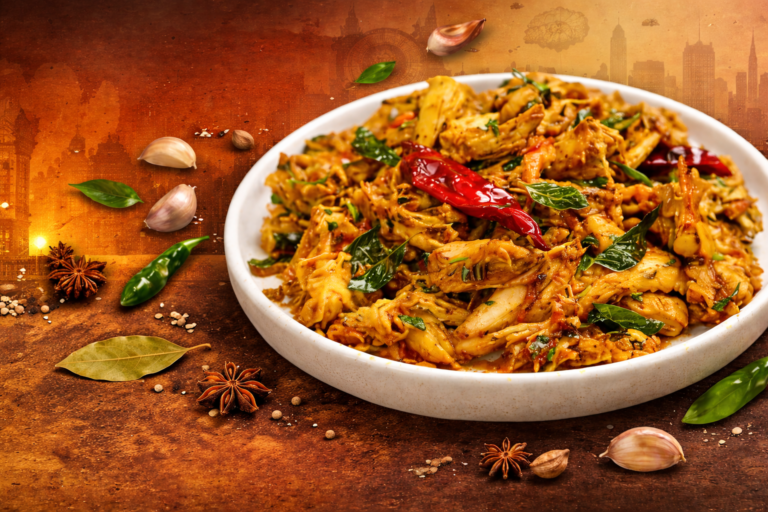
The wider menu also reflects the regional diversity of South Indian food, with dishes such as Chettinad-style preparations and different biryani traditions.
What Should You Order with Filter Coffee?
For a first South Indian meal, idli, dosa, medhu vadai, or pongal are approachable choices to pair with filter coffee. These dishes introduce different textures and flavors without requiring extensive knowledge of the cuisine. Finish with filter coffee to experience the traditional combination of savory South Indian food followed by a strong, milky coffee.
For a Light Breakfast
Idli is a good starting point. The steamed rice-and-lentil cakes have a soft, airy texture and relatively mild flavor. That makes them ideal with sambar and coconut chutney, which provides spice, acidity, and richness.
For Something Crisp
Dosa offers a completely different texture. A well-made dosa should have a thin, crisp surface with a more tender interior. Masala dosa adds spiced potato filling, while varieties such as Mysore dosa introduce additional chili and chutney flavors.
For a Richer Breakfast
Ghee pongal is soft and comforting, with rice and lentils cooked together and flavored with ghee, pepper, cumin, and other seasonings. Medhu vadai provides the opposite texture: crisp around the edges with a lighter, airy center.
For Lunch or Dinner
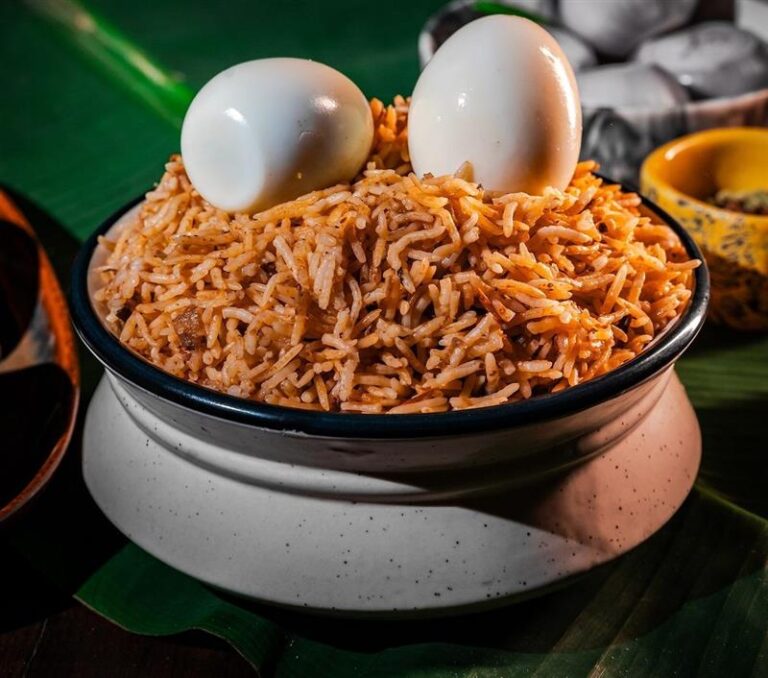
If you’re visiting for a full meal rather than coffee and breakfast, explore the restaurant’s regional specialties. Biryani, parotta, Chettinad preparations, seafood, and vegetarian curries offer a broader view of South Indian cooking.
Exploring More Than Dosa and Idli
One of the easiest mistakes when exploring South Indian cuisine is assuming that dosa and idli represent the entire tradition.
They are important dishes, but South Indian cooking varies considerably by state, community, and region.
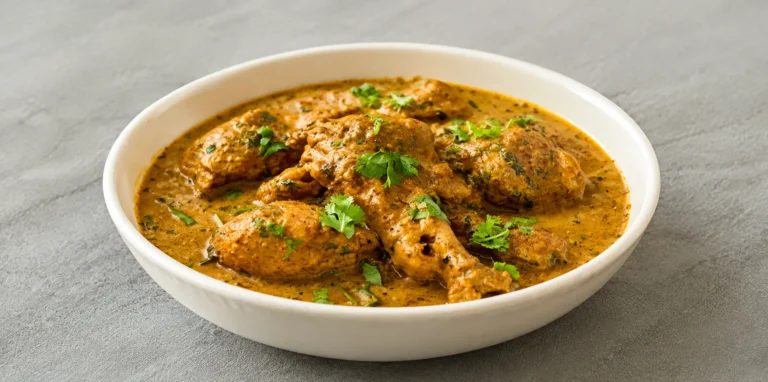
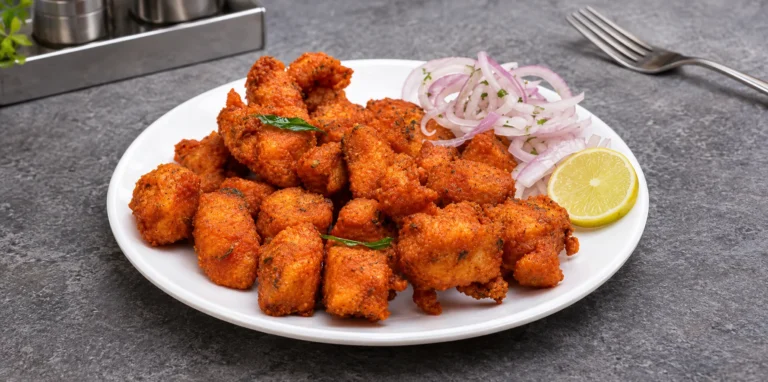
Tamil Nadu alone has numerous culinary traditions. Chettinad cuisine is known for intensely aromatic spice blends and dishes built around ingredients such as black pepper, fennel, cinnamon, cloves, and dried chilies. Different cities also have distinctive biryani traditions, while coastal areas naturally place greater emphasis on seafood.
This regional variation is one reason a South Indian restaurant can be interesting even for diners who already know dosa and sambar.
Why Regional Indian Restaurants Matter in New Jersey
Indian food in New Jersey reflects the state’s diverse communities, and regional restaurants play an important role in that dining landscape.
For families, weekend meals can be an opportunity to order several dishes for the table rather than choosing individual entrée. Groups can share dosa, appetizers, curries, breads, biryani, and vegetarian dishes, making regional cuisine accessible to diners with different preferences.
These restaurants can also serve practical weekday purposes. A quick South Indian breakfast can be different from a typical office lunch, while a larger dinner can suit family gatherings or celebrations.
Frequently Asked Questions
What makes South Indian filter coffee different from regular coffee?
South Indian filter coffee uses a concentrated decoction prepared through a metal filter. The decoction is combined with hot milk and sugar, and the coffee blend commonly includes chicory. This produces a fuller body, stronger roasted aroma, and creamier texture than many standard brewed coffees. It is also traditionally served in a small stainless-steel tumbler and davara rather than a large mug.
What is the best food to order with South Indian filter coffee?
For a traditional introduction, try idli, dosa, medhu vadai, or pongal first. Idli is mild and soft, dosa offers crisp texture, vadai provides a crunchy contrast, and pongal is rich and comforting. Filter coffee works particularly well as a finishing drink because its roasted flavor and creamy texture provide a strong counterpoint to the savory meal.
Is Thanjai Mess a South Indian restaurant?
Yes. Thanjai Mess in North Brunswick Township offers a menu centered on South Indian dishes, including dosa, idli, vadai, pongal, parotta, biryani, vegetarian preparations, seafood, meat dishes, and Madras filter coffee. The menu also includes regional preparations, giving diners an opportunity to explore beyond the most familiar South Indian breakfast dishes.
Where can I find Madras filter coffee in New Jersey?
Madras filter coffee is available at some South Indian restaurants across New Jersey. Thanjai Mess in North Brunswick Township currently lists Madras filter coffee on its menu.