Top-Rated Vegetarian Restaurant Near Me in New Jersey for Food Lovers
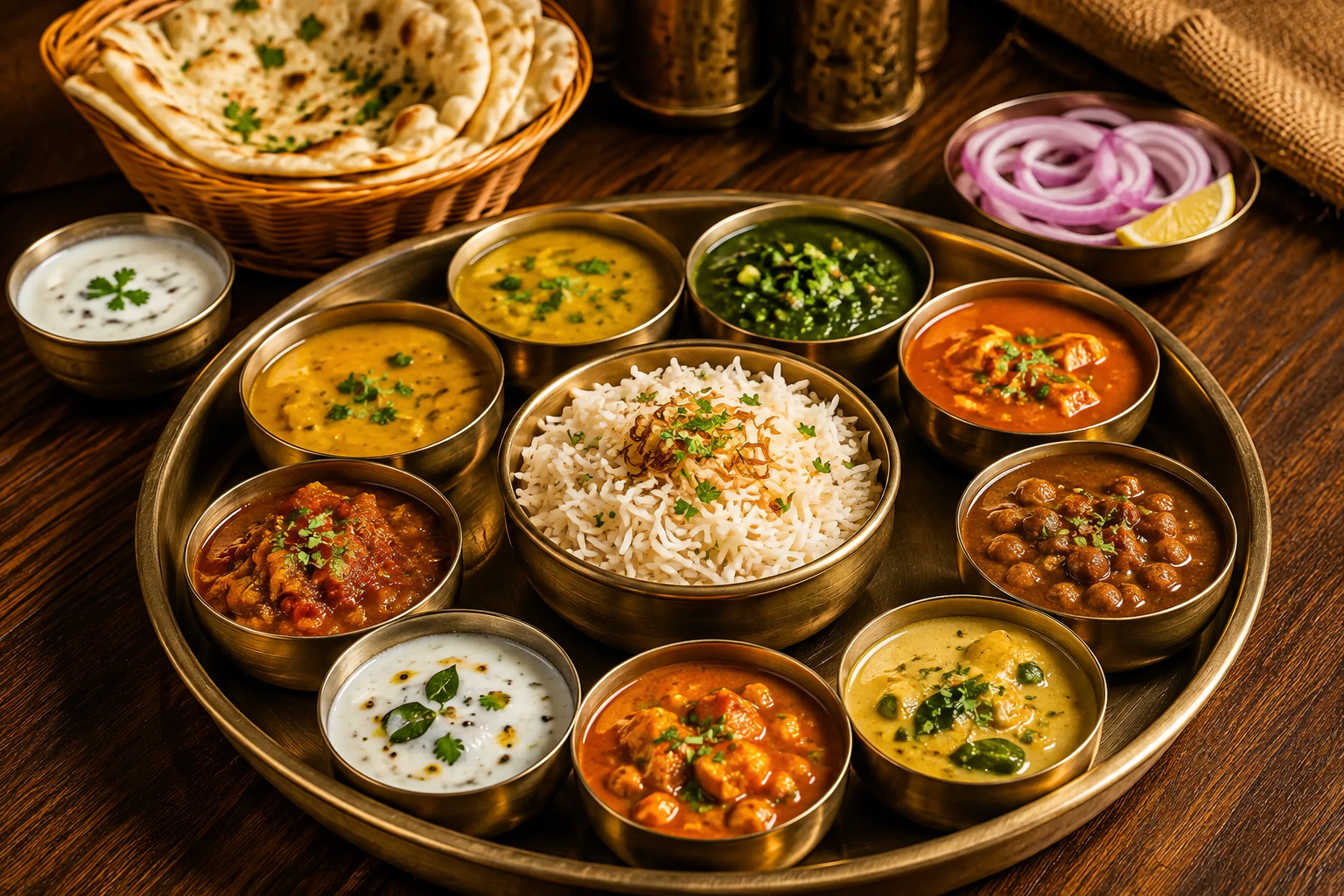
Indian vegetarian food is much broader than a few familiar dishes such as samosas, naan, and paneer. Across India, vegetables, lentils, rice, fermented batters, coconut, spices, and regional cooking techniques have been used to create complete meals with different textures and flavors.
That variety is particularly noticeable in South Indian cuisine. A single meal can move from crisp dosa and fluffy idli to peppery rasam, vegetable curries, coconut-based chutneys, and rice dishes seasoned with mustard seeds and curry leaves.
For someone searching for a Vegetarian Restaurant Near Me in New Jersey, Thanjai Mess is a great option to explore, with a wide selection of South Indian vegetarian dishes and regional flavors.
What Are Diners Really Looking for in a Vegetarian Restaurant?
When people search for an Indian Vegetarian Restaurant, they are often looking for a variety of choices for family members with different dietary preferences, authentic regional flavors, shareable dishes, and satisfying meals.
South Indian cuisine is particularly well suited to this style of dining because many traditional dishes are vegetarian by design.
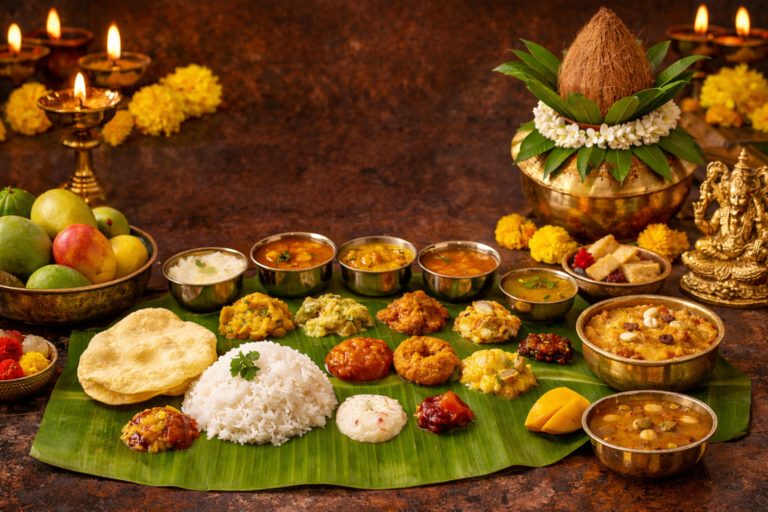
A good vegetarian meal can include several contrasting elements: something crisp, something soft, something spicy, something cooling, and something tangy. Chutneys, sambar, vegetable preparations, lentils, rice, and fermented foods all contribute different flavors without requiring meat.
That makes the cuisine useful for both dedicated vegetarians and groups where some diners prefer vegetarian food while others want meat or seafood.
Why South Indian Cuisine Works So Well for Vegetarian Dining
South Indian cuisine offers an unusually broad range of naturally vegetarian dishes because rice, lentils, vegetables, coconut, fermented batters, and regional spices form the foundation of many traditional meals. Dosa, idli, pongal, sambar, rasam, vegetable curries, chutneys, and rice preparations can create a varied meal without depending on meat substitutes.
One reason is the importance of lentils and grains in everyday South Indian cooking. Dishes such as idli and dosa use fermented rice-and-lentil batter, while sambar combines lentils with vegetables and spices.
Another important element is tempering, or tadka. Ingredients such as mustard seeds, cumin, curry leaves, dried chilies, and asafoetida may be briefly heated in oil or ghee before being added to a dish. This small step can dramatically change the aroma and flavor of preparation.
For diners looking for Authentic Vegetarian Indian Food, these details matter because they show how vegetarian cooking can be built around technique and flavor rather than simply removing meat from an otherwise meat-centered dish.
What Makes South Indian Vegetarian Food Different?
South Indian vegetarian food stands out through its use of fermented batters, lentils, rice, coconut, curry leaves, tamarind, and spice tempering. Instead of relying heavily on cream or rich gravies, many dishes build flavor through fermentation, roasting, steaming, grinding, and seasoning ingredients at different stages of cooking.
Dosa is a good example.
The batter is typically fermented before being spread thinly over a hot griddle. This produces a characteristic combination of a crisp, browned exterior, and softer interior.
Idli uses a similar family of ingredients but a completely different cooking method. The fermented batter is steamed, resulting in a soft and airy texture.
Sambar takes another route, combining lentils, vegetables, tamarind, and spices into a savory, slightly tangy accompaniment.
These differences demonstrate why South Indian vegetarian cuisine cannot be reduced to simply “vegetables and rice.” The cooking techniques themselves create much of the variety.
Thanjai Mess and Vegetarian Dining in North Brunswick
For diners looking for a South Indian Restaurant Near Me in North Brunswick Township, Thanjai Mess is one local option with a menu that includes vegetarian dishes alongside its broader South Indian and Tamil-inspired offerings.
Its menu covers categories including dosa, vegetarian curries, breads, rice dishes, Indo-Chinese preparations, desserts, and beverages.
That range is useful for vegetarian diners because it allows a meal to be built around different dishes rather than relying on one entrée.
For example, a group could share dosa, vegetable preparation, an appetizer, and rice, while diners with different preferences can choose from a wider menu.
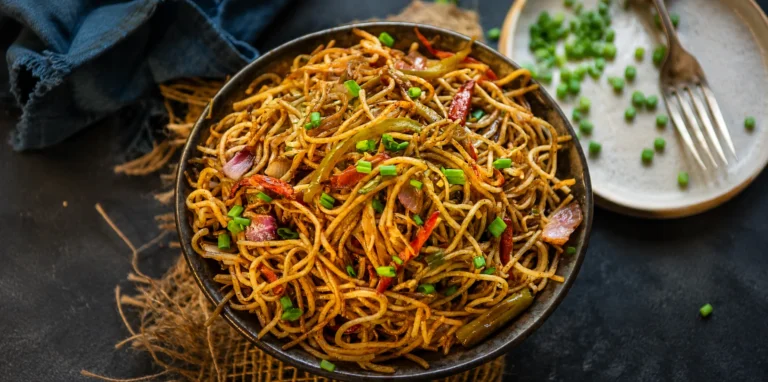
The restaurant’s menu also includes vegetarian versions of dishes such as paneer preparations and vegetable-based Indo-Chinese options.
What Should First-Time Vegetarian Diners Order?
First-time vegetarian diners can start with masala dosa, idli, medhu vada, pongal, or vegetable curry. These dishes offer different textures and introduce several foundations of South Indian cooking, from fermented rice-and-lentil batter to lentil-based accompaniments and spice tempering. Sharing two or three dishes is often a better introduction than ordering only one entrée.
Masala Dosa for Crisp Texture
Masala dosa is one of the easiest dishes to recommend to someone new to South Indian cuisine. The dosa should have a thin, crisp surface, while the potato filling provides a soft contrast seasoned with spices, onion, and herbs.
It is generally served with sambar and chutney, giving you several flavors in the same meal.
Idli for Something Light
Idli is softer and milder. The steamed rice-and-lentil cakes work particularly well for diners who do not want something oily or heavily spiced.
The real flavor comes from accompaniments. Sambar adds warmth and spice, while coconut chutney provides a cooler, creamier contrast.
Pongal for Comfort
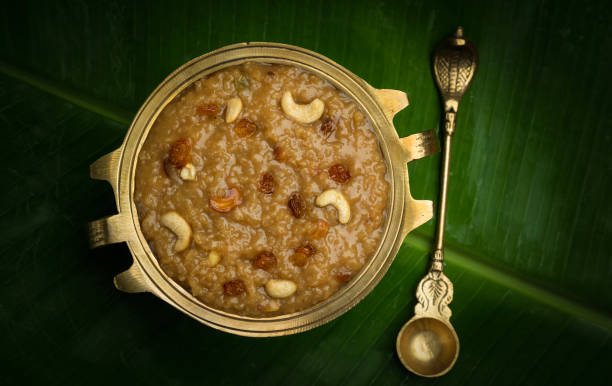
Vegetarian diners looking for something more substantial can consider pongal. Rice and lentils are cooked together until soft, then seasoned with ingredients such as black pepper, cumin, curry leaves, and ghee.
The result is warm, savory, and comforting rather than aggressively spicy.
Gobi Manchurian for Indo-Chinese Flavor
For something outside traditional South Indian cooking, Gobi Manchurian offers a different direction. Crispy cauliflower is coated in a savory, tangy sauce with aromatics and vegetables.
It can be useful for groups because its familiar crisp-and-saucy character appeals to diners who may not yet know South Indian food well. The dish is currently listed among Thanjai Mess’s vegetarian offerings.
From Dosa to Curries: Exploring the Menu
A vegetarian meal does not have to stop at breakfast dishes.
South Indian cooking includes numerous vegetable and lentil preparations that work well with rice or breads. Curries can range from lightly seasoned vegetable dishes to richer preparations built around paneer or coconut.
For a more substantial lunch or dinner, vegetarian diners can combine a rice dish with a curry and a side rather than ordering several similar items.
How Can Families Choose Vegetarian Dishes?
Families can make vegetarian Indian dining easier by ordering a mix of familiar and regional dishes rather than choosing an entire meal around one flavor profile. Mild idli or dosa can suit children and cautious diners, while adults can add spicier curries, vegetable dishes, or Indo-Chinese appetizers for more variety.
This approach works particularly well when several generations are eating together.
A family meal can begin with dosa or idli, add vegetable or paneer preparation, and include rice for anyone looking for a more familiar base. Chutneys and sambars can be shared at the table, allowing each person to adjust the combination to their preference.
For weekend meals, sharing also gives diners an opportunity to explore unfamiliar dishes without ordering a full portion for one person.
Why Regional Vegetarian Food Matters in New Jersey
New Jersey’s Indian dining scene is particularly interesting because diners can find restaurants influenced by different parts of India rather than one standardized version of Indian cuisine.
For vegetarian diners, this regional variety is important.
For office lunches, weekend family meals, celebrations, and casual dinners, that flexibility can be particularly useful.
Frequently Asked Questions
What makes South Indian vegetarian food different from other Indian vegetarian food?
South Indian vegetarian cooking commonly emphasizes rice, lentils, fermented batters, coconut, curry leaves, tamarind, and spice tempering. Dishes such as dosa and idli use fermentation, while sambar and rasam build flavor through lentils, vegetables, spices, and souring ingredients. The result is a cuisine with plenty of variety in texture and flavor without relying on meat.
What are the best vegetarian dishes for someone trying South Indian food for the first time?
Masala dosa, idli, medhu vada, and pongal are approachable starting points. Dosa provides crisp texture, idli is soft and mild, vada adds a crunchy element, and pongal offers a warm, savory rice-and-lentil preparation. Ordering chutney and sambar alongside these dishes allows first-time diners to experience several characteristic South Indian flavors in one meal.
Does Thanjai Mess have vegetarian food?
Yes. Thanjai Mess offers several vegetarian choices alongside its broader South Indian menu. It includes masala dosa, vegetarian curries, vegetarian biryani, paneer dishes, Gobi Manchurian, and other meat-free preparations. This gives vegetarian diners multiple options across breakfast, appetizers, main dishes, and rice-based meals.
Is a South Indian restaurant a good choice for mixed groups?
Yes, it can be. South Indian menus often include naturally vegetarian dishes alongside meat and seafood preparations, allowing people with different preferences to share a meal. At Thanjai Mess, the menu extends from vegetarian dishes and dosa to biryani, curries, parotta, seafood, and meat preparations, making it possible for a group to order across different categories.
A Broader View of Vegetarian Indian Dining
The most interesting thing about searching for a Vegetarian Restaurant Near Me in New Jersey is discovering how much variety exists before meat ever enters the conversation.
South Indian cuisine shows that vegetarian food can be built around fermentation, roasting, steaming, tempering, grinding, and careful combinations of grains, lentils, vegetables, herbs, and spices. That makes each dish distinct rather than treating vegetarian food as a limited alternative.
For diners in North Brunswick Township, Thanjai Mess provides one local example of this broader approach, with vegetarian dishes sitting alongside a wider South Indian and Tamil-influenced menu. It can suit dedicated vegetarians, families with mixed preferences, and food lovers who simply want to explore regional Indian cooking beyond familiar staples.
The value of that experience is not just the number of vegetarian choices on the menu. It is the opportunity to understand how an entire culinary tradition can make vegetables, grains, lentils, and spices the focus of the meal.