Best Milagu Rasam Near Me in New Jersey for Traditional South Indian Flavors
Finding truly traditional South Indian comfort food outside India can be challenging, especially when searching for dishes that go beyond dosa and idli. Among the many treasured recipes of Tamil cuisine, Milagu Rasam in New Jersey has gained attention among diners looking for authentic flavors, comforting meals, and traditional home-style, preparations.
Milagu Rasam, also known as pepper rasam, is much more than a soup. It represents centuries of culinary wisdom, combining spices, herbs, and simple ingredients to create a dish deeply rooted in South Indian food culture. For diners in New Jersey seeking genuine regional Indian cuisine, understanding what makes this dish unique can help guide their dining choices.
What Makes Milagu Rasam Different from Other Soups?
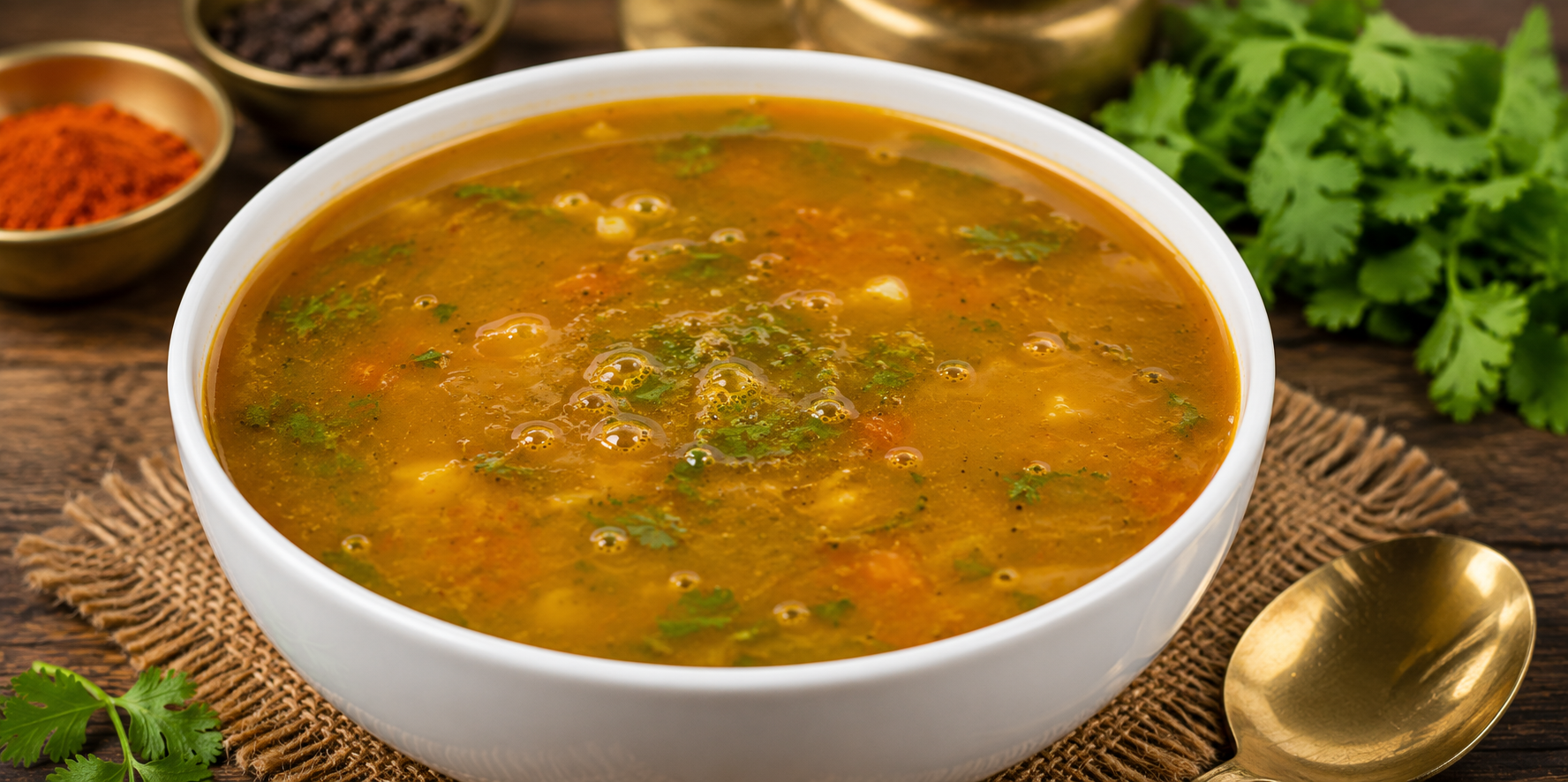
Milagu Rasam is a traditional South Indian pepper-based broth prepared using black pepper, cumin, tamarind, garlic, and aromatic spices. Unlike creamy Western soups, it offers a light yet intensely flavorful experience that balances spice, tanginess, and warmth while complementing a complete meal.
Traditional rasam is usually served with rice, but many people also enjoy it as a standalone soup. The bold pepper flavor distinguishes it from other varieties of rasam, making it especially popular among those seeking authentic South Indian comfort food.
The dish delivers layers of flavor:
- Pepper provides warmth and subtle heat.
- Tamarind contributes to gentle tanginess.
- Roasted cumin adds earthiness.
- Curry leaves create fresh herbal notes.
- Garlic introduces savory depth.
The result is a fragrant broth with a thin consistency but surprisingly complex taste.
Why Is Milagu Rasam in New Jersey Becoming More Popular?
The growing popularity of Milagu Rasam in New Jersey reflects broader dining trends. Many diners today actively seek regional Indian dishes rather than familiar pan-Indian offerings.
Several factors contribute to this rise:
- Increased interest in authentic regional cuisines.
- Growing South Indian communities across New Jersey.
- Demand for lighter, comfort-focused meals.
- Greater appreciation for traditional cooking methods.
Food enthusiasts in cities across New Jersey increasingly explore dishes that provide cultural authenticity and distinctive flavors. Traditional rasam fits this preference perfectly.
The Cultural Significance of Milagu Rasam in Tamil Cuisine
Milagu Rasam occupies a special place in Tamil households. In many homes across Tamil Nadu, rasam is not reserved for special occasions; it forms part of everyday dining.
Rasam Has Ancient Origins
Food historians believe rasam evolved centuries ago in South India and has roots connected to Ayurvedic food traditions. Its spice combinations were designed not only for flavor but also for balance within daily meals.
Milagu Means Pepper
The Tamil word “Milagu” translates directly to “pepper.” Black pepper has long been one of South India’s most significant spices and was historically traded globally from the Malabar Coast.
Rasam Is Traditionally Served Mid-Meal
Unlike Western soups served at the beginning of a meal, rasam in South Indian dining often appears after sambar and before curd rice. This sequence reflects traditional meal structures followed across generations.
Understanding these customs helps diners appreciate the cultural depth behind the dish.
What Ingredients Create Authentic Milagu Rasam?
Authentic South Indian Milagu Rasam uses freshly ground black pepper, cumin seeds, tamarind extract, garlic, curry leaves, mustard seeds, and coriander. The balance of these ingredients creates the dish’s signature spicy, tangy, and aromatic profile.
Freshly crushed spices are essential. Pre-ground powders rarely produce the same aroma or complexity.
Key ingredients include:
Black Pepper
The star ingredient delivers robust warmth and distinctive pungency.
Cumin Seeds
Cumin introduces earthy, nutty undertones that soften pepper’s intensity.
Tamarind
Tamarind contributes to acidity and brightness, balancing the spice.
Curry Leaves
Fresh curry leaves release citrusy, herbal aromas during tempering.
Garlic
Many Tamil-style preparations include garlic for additional depth and richness.
Traditional recipes often avoid excessive ingredients, allowing each component to shine.
How Is Traditional Milagu Rasam Prepared?
Authentic preparation emphasizes technique as much as ingredients.
First, black pepper and cumin seeds are coarsely crushed rather than finely powdered. This preserves texture and intensifies the aroma.
Tamarind extract forms the liquid base. Garlic, tomatoes (in some regional variations), turmeric, and salt are added before simmering.
The final tempering stage significantly impacts flavor. Mustard seeds, dried red chilies, curry leaves, and sometimes asafetida are briefly heated in oil or ghee before pouring into the rasam.
The finished dish offers:
- A peppery aroma.
- Light broth consistency.
- Bright tangy notes.
- Gentle garlic undertones.
- Lingering warmth.
Where Can Diners Find Authentic South Indian Milagu Rasam in New Jersey?
As demand for traditional regional cuisine grows, restaurants focusing on Tamil-style cooking have become increasingly important within New Jersey’s dining landscape.
Restaurants such as Thanjai Mess specialize in South Indian cuisine that extends beyond mainstream dishes. Located in North Brunswick, the restaurant offers diners an opportunity to explore traditional recipes including Authentic Milagu Rasam New Jersey food enthusiasts often seek.
For those searching online for Milagu Rasam Near Me New Jersey, choosing restaurants emphasizing regional South Indian cooking typically provides a more authentic experience than generic Indian menus.
This is especially valuable for diners interested in traditional Tamil flavors and home-style preparations.
What Should First-Time Diners Pair with Milagu Rasam?
First-time diners can maximize their experience by pairing rasam thoughtfully.
Recommended combinations include:
Steamed Rice
The most traditional option. Rice absorbs the flavorful broth beautifully.
South Indian Meals
Complete meals featuring vegetables, poriyal, kootu, and rice allow diners to experience rasam in its authentic context.
Appalam (Papad)
Crisp appalam adds texture contrast to the light broth.
Non-Vegetarian Side Dishes
Pepper-based chicken or mutton dishes complement the spice profile of rasam.
Diners interested in Traditional Rasam New Jersey experiences often discover that pairing enhances appreciation of the dish.
Why Do Families Enjoy Traditional South Indian Dining Experiences?
Families throughout New Jersey increasingly choose regional Indian restaurants for gatherings, weekend meals, and celebrations.
Several reasons explain this preference:
- Diverse menu options satisfy multiple generations.
- Shared dining encourages community and conversation.
- Traditional dishes evoke nostalgia and cultural connections.
- Meals include both vegetarian and non-vegetarian choices.
South Indian restaurants frequently become gathering places for family celebrations, office lunches, and community events.
For many diners, enjoying South Indian Milagu Rasam New Jersey establishments offer means reconnecting with culinary traditions while introducing younger generations to regional foods.
Practical Dining Recommendations for Different Diners
For First-Time Visitors
Start with Milagu Rasam alongside a traditional South Indian meals platter for a balanced introduction.
For Spice Lovers
Pair rasam with Chettinad-style curries or pepper-based side dishes.
For Families
Order shared meals featuring rasam, sambar, vegetable sides, rice, and appetizers to experience a variety of flavors.
For Comfort Food Seekers
Enjoy rasam as a standalone soup or alongside steamed rice for a lighter meal.
For Weekend Dining
Many families prefer visiting South Indian restaurants during weekends when gathering with relatives and friends.
Frequently Asked Questions
What makes Milagu Rasam unique compared to other Indian soups?
Milagu Rasam differs because it relies heavily on black pepper and cumin rather than cream or thickening agents. Its thin consistency, tangy tamarind base, and aromatic spice profile create a distinctive South Indian flavor that functions both as soup and accompaniment to rice.
Is Milagu Rasam spicy?
Milagu Rasam typically offers moderate heat derived primarily from black pepper. While flavorful and warming, it is usually less fiery than many curry dishes. Spice levels can vary depending on regional preparation styles and restaurant recipes.
Can vegetarians enjoy authentic Milagu Rasam?
Yes. Traditional Milagu Rasam is commonly vegetarian and prepared using spices, tamarind, herbs, and lentil water. Some regional versions include garlic, but meat ingredients are generally not part of classic preparations.
What dishes pair best with Milagu Rasam?
Steamed rice remains the traditional accompaniment. Diners also enjoy pairing rasam with appalam, vegetable curries, poriyal, kootu, or South Indian non-vegetarian specialties for a complete meal experience.
Why Milagu Rasam Continues to Win Hearts
Traditional dishes like Milagu Rasam continue to hold significance because they preserve culinary heritage while meeting modern diners’ desire for authentic, comforting food. Whether someone is exploring Tamil cuisine for the first time or seeking familiar flavors from home, this pepper-infused classic remains an important part of New Jersey’s evolving South Indian dining scene.