Best South Indian Restaurant in New Jersey: What to Try at Thanjai Mess
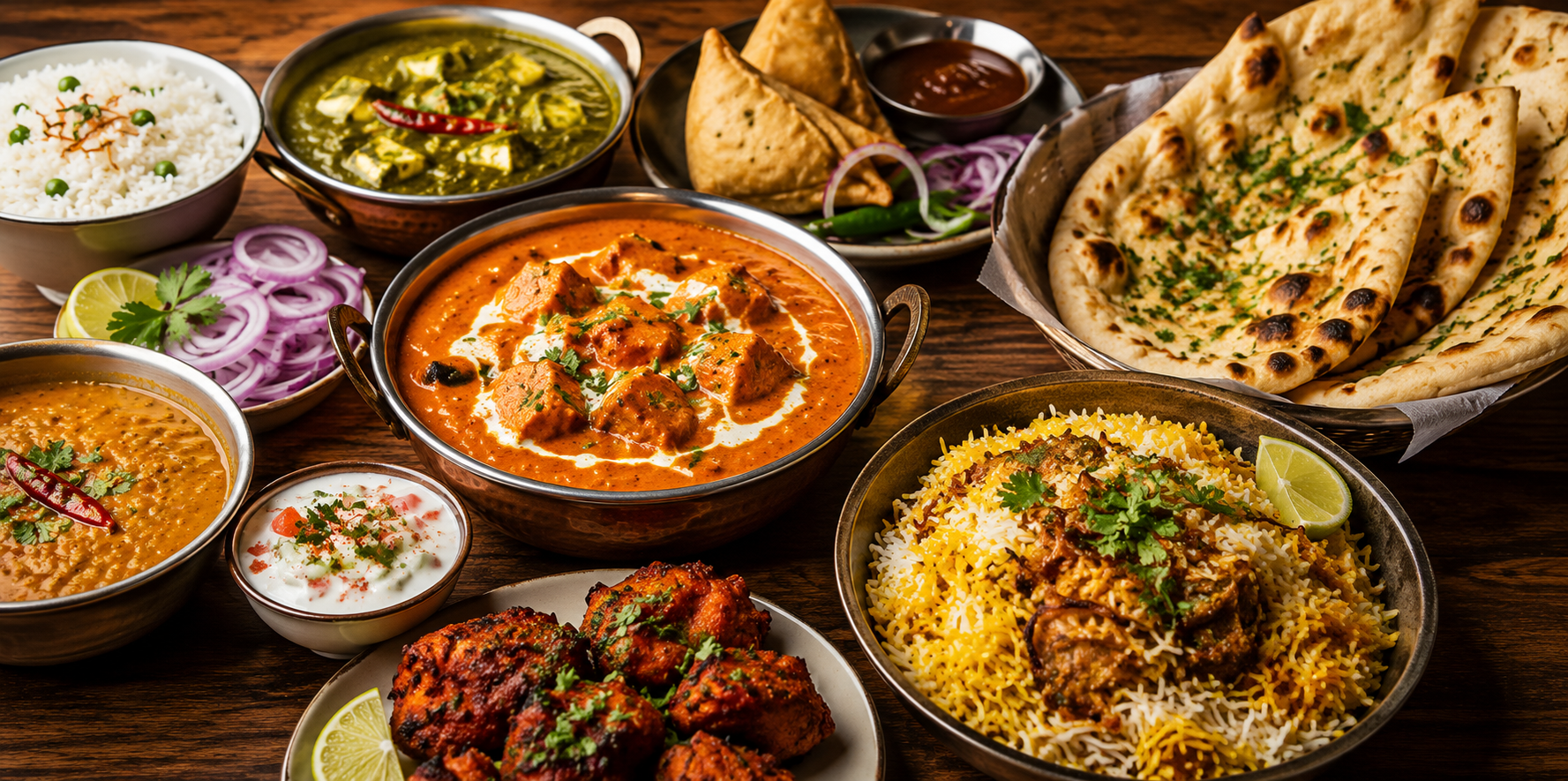
Finding authentic regional Indian cuisine outside India isn’t always easy. While many restaurants offer a broad mix of Indian dishes, diners searching for genuine South Indian food are often looking for something more specific traditional recipes, regional specialties, and flavors that reflect the culinary heritage of Tamil Nadu, Andhra Pradesh, Karnataka, and Kerala.
If you’re searching for the Best South Indian Restaurant in New Jersey, chances are you’re hoping to discover more than just dosa and idli. You may be looking for comforting meals, flavorful biryanis, authentic Tamil dishes, or a place where families and friends can enjoy recipes that stay true to their roots.
Understanding what makes South Indian cuisine unique can help you choose a restaurant that offers an authentic experience rather than a generic menu. One restaurant that naturally fits this search is Thanjai Mess in North Brunswick, New Jersey, known for serving traditional Tamil-style cuisine alongside a wide variety of South Indian favorites.
What Are People Looking for When Searching for the Best South Indian Restaurant in New Jersey
Most diners searching for the Best South Indian Restaurant in New Jersey want authentic regional flavors, freshly prepared dishes, diverse vegetarian and non-vegetarian options, and a welcoming place for family meals or casual dining. They are often looking for quality, consistency, and recipes that reflect South India’s culinary traditions.
Searches like these are rarely about finding just another Indian restaurant. Diners may be comparing menus, looking for authentic Tamil cuisine, checking whether a restaurant serves traditional meals, or deciding where to celebrate with family or enjoy a satisfying weekend lunch.
This growing interest reflects a broader appreciation for regional Indian cooking rather than generalized Indian cuisine.
What Makes South Indian Cuisine Different?
South Indian cuisine is distinguished by its emphasis on rice, lentils, fermented batters, coconut, curry leaves, tamarind, and carefully balanced spices. The cuisine offers remarkable regional diversity, with each state contributing its own cooking methods and signature dishes.
Unlike the richer cream-based gravies commonly associated with North Indian cuisine, many South Indian recipes achieve depth through roasted spices, slow-cooked broths, fresh herbs, and natural sourness from tamarind.
The cuisine also features:
- Fermentation that enhances flavor and digestion
- Rice-based staples instead of wheat-heavy breads
- Fresh coconut used in chutneys and curries
- Seasonal vegetables prepared in numerous traditional styles
- Seafood and meat dishes varying by coastal and inland regions
These elements create meals that are both flavorful and remarkably balanced.
Three Things Many Diners Don’t Know About Tamil Cuisine
A “Mess” Is a Traditional Style of Dining
Outside India, the word “mess” may sound unusual. In Tamil Nadu, however, a “mess” traditionally refers to an establishment serving freshly prepared home-style meals made daily. The emphasis is on consistency, simplicity, and authentic regional cooking rather than elaborate presentation.
South Indian Meals Are Designed for Balance
Traditional South Indian meals intentionally combine multiple tastes spicy, tangy, savory, mildly sweet, and cooling elements. Rice, sambar, rasam, vegetables, yogurt, pickles, and papad complement each other nutritionally and gastronomically.
Fermented Foods Are Central to the Cuisine
Dosa and idli batters undergo natural fermentation, improving texture while developing subtle flavors. Fermentation also supports digestion, making these dishes both satisfying and wholesome.
These culinary traditions continue to influence authentic Tamil restaurants around the world.
How Thanjai Mess Brings Regional South Indian Flavors to New Jersey
For diners searching for an Authentic South Indian Restaurant in New Jersey, regional specialization often matters more than menu size.
Located in North Brunswick, Thanjai Mess New Jersey focuses on traditional South Indian and Tamil-style cooking while offering a broad selection that appeals to different tastes. Guests can explore classic dosas, biryanis, South Indian meals, curries, parottas, appetizers, vegetarian specialties, seafood preparations, and desserts.
Instead of presenting South Indian food as a small section within a larger menu, the restaurant emphasizes recipes that reflect the culinary identity of Tamil Nadu and neighboring southern states. This makes it a valuable option for both longtime fans of South Indian cuisine and first-time visitors interested in discovering authentic regional flavors.
What Should First-Time Visitors Order
First-time visitors should choose a combination of fermented classics, rice specialties, and traditional curries. This approach provides a balanced introduction to South Indian flavors while showcasing different cooking techniques.
A well-rounded first visit could include:
- Crispy dosa served with fresh coconut chutney and sambar
- Fragrant biryani layered with aromatic spices
- Traditional South Indian meals featuring rice, vegetables, sambar, rasam, and accompaniments
- Flaky parotta paired with flavorful curry
- Freshly prepared desserts to complete the meal
Sampling different textures from crispy dosas to slow-cooked gravies offer a deeper appreciation of the cuisine than ordering a single dish.
How Is South Indian Cuisine Different from North Indian Cuisine
South Indian cuisine generally relies more heavily on rice, lentils, tamarind, coconut, curry leaves, and fermented preparations, while North Indian cuisine often emphasizes wheat breads, dairy-based gravies, and richer spice blends.
That doesn’t mean one cuisine is stronger than the other they simply evolved under different climates, agricultural traditions, and cultural influences.
For diners exploring Indian food in New Jersey, understanding these differences makes choosing dishes much easier and encourages trying regional specialties beyond familiar favorites.
Dishes That Showcase Authentic Tamil Cooking
A quality Tamil Restaurant in New Jersey typically offers dishes that highlight both everyday comfort food and celebratory recipes.
Among the menu highlights commonly associated with authentic Tamil cuisine are:
Traditional South Indian Meals
Served with rice and an assortment of accompaniments, these meals demonstrate how multiple flavors work together. Sambar contributes earthy richness, rasam offers peppery warmth, vegetable preparations add freshness, and curd provides a cooling finish.
Biryani
Unlike simply mixing rice and curry, authentic biryani is layered before cooking so that fragrant basmati rice gradually absorbs spices, herbs, and savory flavors throughout the pot.
Dosa
Prepared from naturally fermented batter, dosa develops a crisp golden exterior while remaining light inside. It pairs beautifully with coconut chutney and sambar.
Parotta with Curry
Soft, flaky layers make parotta a satisfying companion to rich gravies. The combination remains one of Tamil Nadu’s most beloved comfort foods.
These dishes illustrate why South Indian Food in New Jersey continues attracting diners looking for regional authenticity.
Practical Dining Tips for Families, Groups, and Spice Lovers
Choosing dishes becomes easier when dining goals match the menu.
For Families
Traditional South Indian meals provide variety, making them excellent choices for shared dining. Multiple accompaniments allow everyone to experience different flavors in one sitting.
For Groups
Ordering dosas, appetizers, biryanis, curries, and breads for sharing creates a broader tasting experience than individual entrées.
For Vegetarian Diners
South Indian cuisine naturally includes an impressive range of vegetarian dishes built around lentils, vegetables, coconut, and spices rather than meat substitutes.
For Spice Enthusiasts
Tamil cooking offers layered spice rather than overwhelming heat. Pepper, coriander, cumin, fennel, curry leaves, and dried chilies contribute complexity instead of simply adding intensity.
Why Regional Indian Restaurants Matter in Local Communities
New Jersey has one of America’s most diverse Indian food scenes, and diners increasingly seek regional authenticity rather than generalized menus.
Restaurants specializing in Tamil cuisine preserve culinary traditions while introducing new audiences to lesser-known recipes and cooking methods. They also become gathering places where families celebrate milestones, professionals enjoy weekday lunches, and communities reconnect through familiar flavors.
For residents searching for an Indian Restaurant North Brunswick NJ, regional restaurants provide opportunities to explore India’s extraordinary culinary diversity without traveling far.
As more diners become curious about authentic food experiences, regional South Indian restaurants continue enriching New Jersey’s evolving dining landscape.
Frequently Asked Questions
What makes South Indian cuisine unique?
South Indian cuisine emphasizes rice, lentils, coconut, tamarind, curry leaves, and fermented foods. These ingredients create balanced meals featuring bright flavors, diverse textures, and regional recipes that differ significantly from many North Indian dishes.
Which dishes are best for someone trying Tamil food for the first time?
Starting with dosa, traditional South Indian meals, biryani, parotta with curry, and sambar offers an excellent introduction. Together, these dishes showcase fermentation, slow cooking, layered spices, and the variety that defines Tamil cuisine.
Is Thanjai Mess suitable for family dining?
Yes. Thanjai Mess offers a menu with vegetarian and non-vegetarian choices, traditional South Indian meals, and shareable dishes that work well for families, weekend gatherings, and celebrations in North Brunswick.
Are there vegetarian options available?
Absolutely. South Indian cuisine naturally features numerous vegetarian specialties prepared with lentils, vegetables, coconut, and aromatic spices. Traditional meals, dosas, and vegetable curries provide satisfying options without compromising authenticity.
Regional South Indian cuisine represents centuries of culinary tradition shaped by local ingredients, seasonal cooking, and cultural heritage. For diners exploring South Indian Restaurant New Jersey options, understanding these traditions makes choosing where to eat far more rewarding than simply searching for familiar Indian dishes.
Whether you’re interested in discovering Authentic Tamil Cuisine New Jersey, enjoying traditional South Indian Meals New Jersey, or introducing friends and family to regional Indian cooking, restaurants such as Thanjai Mess in North Brunswick offer an opportunity to experience flavors that extend well beyond the classics most people already know. The result is a richer understanding of one of India’s most diverse and celebrated culinary traditions.