Idiyappam Near Me in North Brunswick, NJ: A South Indian Favorite
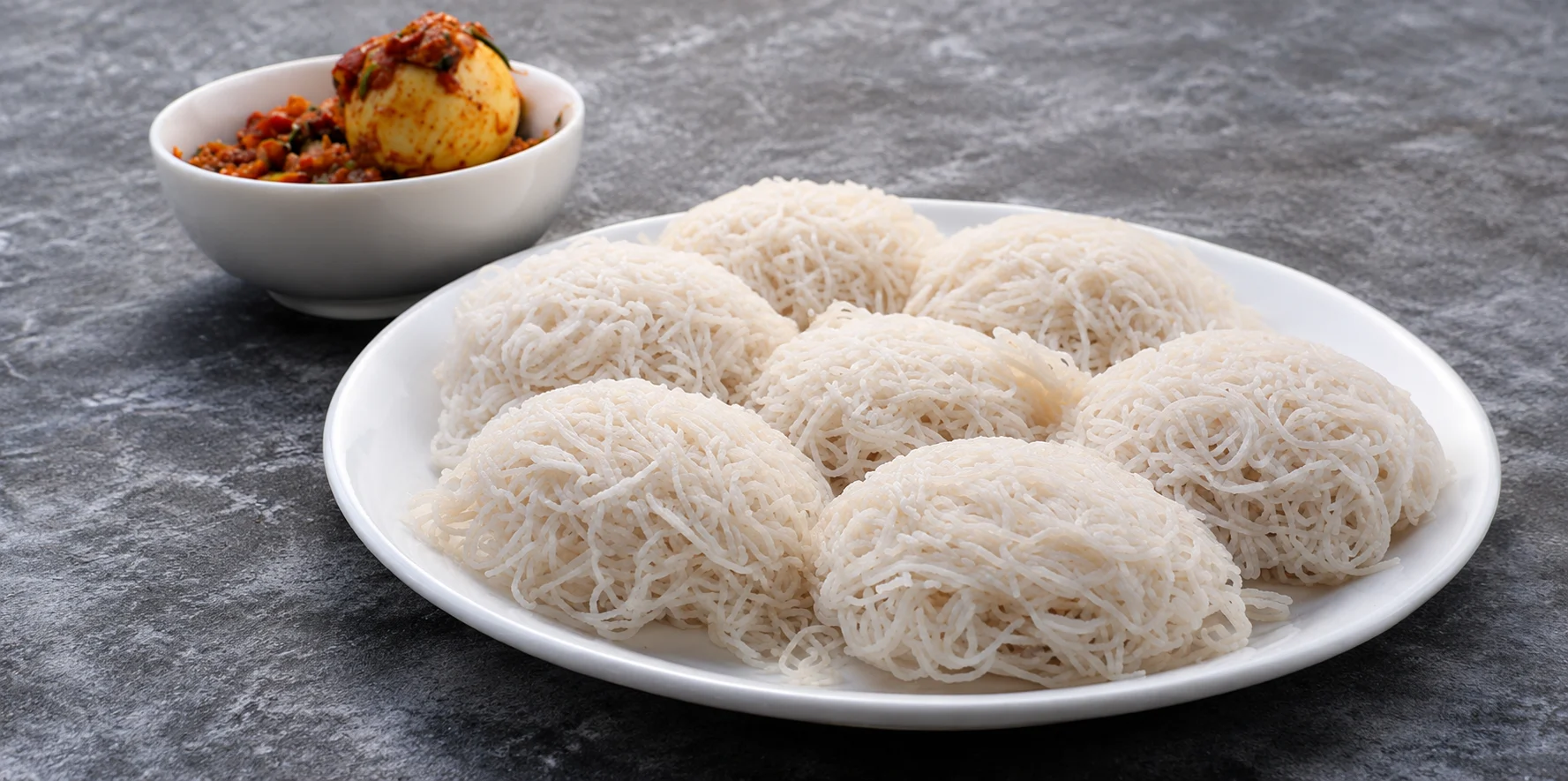
South Indian cuisine is known for transforming simple ingredients such as rice flour and water into dishes with distinctive textures and versatile flavors. Idiyappam is a perfect example: delicate strands of steamed rice noodles form a soft, nest-like structure that pairs beautifully with both sweet and savory accompaniments. For people searching for Idiyappam Near Me in North Brunswick, NJ, this traditional dish offers a way to explore South Indian food beyond familiar favorites such as dosa and idli.
Often called string hoppers, idiyappam is enjoyed in parts of Tamil Nadu, Kerala, and neighboring regions, with variations in how it is served. Its mild flavor makes it suitable for coconut milk, vegetable stews, and flavorful curries. Understanding how it is prepared and traditionally enjoyed can help diners choose a meal that suits their preferences.
What Is Idiyappam and Why Is It Special?
Idiyappam is a traditional South Indian dish made by pressing rice-flour dough through a specialized mold to create thin noodle-like strands, which are then steamed. It has a soft, delicate texture and a mild flavor, making it suitable for sweet accompaniments such as coconut milk or savory dishes such as vegetable stew and chicken curry.
Unlike wheat noodles, idiyappam is traditionally made from rice flour and does not depend on gluten for its structure. The strands are formed into small nests before steaming, creating a light dish that absorbs the flavors of whatever accompanies it.
Idiyappam is particularly associated with Tamil and Kerala food traditions. Depending on the household or region, it may appear at breakfast, dinner, or special family meals. Its versatility is part of its appeal: the same base can be enjoyed with sweet coconut milk or a richly seasoned curry.
Idiyappam Near Me in North Brunswick, NJ: What Should You Expect?
When diners search for Idiyappam in North Brunswick, NJ, they are often looking for a traditional South Indian dish that is different from the more widely recognized dosa or idli.
Here are a few details worth knowing before ordering:
- Texture: Properly steamed idiyappam should feel soft and delicate, with separate strands rather than a dense, doughy consistency.
- Flavor: The rice noodles have a mild taste, so the accompanying curry or coconut milk contributes much of the overall flavor.
- Serving style: Idiyappam may be served with sweetened coconut milk, vegetable stew, or a meat-based curry, depending on the restaurant’s menu.
- Meal occasion: It can work as a breakfast or dinner dish, depending on regional tradition and local restaurant offerings.
For anyone searching for an Indian Restaurant Near Me or South Indian Food Near Me, knowing these characteristics helps set realistic expectations. Idiyappam is not intended to be heavily seasoned on its own; its appeal comes from its texture and the way it complements other foods.
How Rice Flour Becomes Delicate String Hoppers
One of the most interesting aspects of idiyappam is its preparation. Although the ingredient list is simple, achieving the correct texture requires attention to dough consistency, shaping, and steaming.
-
Preparing the Rice Flour
Rice flour is typically combined with hot water and a little salt to form a workable dough. The water temperature and quantity affect how easily the dough passes through the press and whether the strands hold together.
-
Pressing the Strands
The dough is placed inside an idiyappam press or similar device fitted with small openings. Pressing it produces fine strands that are arranged into small circular nests.
-
Steaming Instead of Frying
The shaped noodles are steamed until cooked. This method preserves their soft texture without requiring deep-frying or a heavy coating of oil.
These preparation details explain why idiyappam differs from fried snacks and pan-cooked flatbreads. Its delicate structure depends on the consistency of the dough and the steaming process rather than browning or crispness.
What Should You Eat With Idiyappam?
Idiyappam pairs well with accompaniments that add moisture and flavor without overwhelming its delicate rice strands. Sweetened coconut milk creates a gentle, creamy contrast, while vegetable stew and chicken curry offer savory alternatives. The best pairing depends on whether you prefer a mild, comforting meal or a more robust combination of spices and gravy.
Idiyappam With Coconut Milk
This combination highlights the dish’s mild flavor and soft texture. Coconut milk adds richness, and a lightly sweetened version can create a comforting breakfast or evening meal.
The subtle coconut aroma complements the rice noodles without making them feel heavy. Some preparations include sugar or other sweetening ingredients, so ask how the dish is served if you prefer a less sweet option.
Idiyappam With Chicken Curry
For a savory meal, chicken curry adds a contrasting combination of spices, aromatics, and gravy. The thin strands absorb some of the sauce, allowing each bite to combine the mild rice flavor with the curry’s seasoning.
Those who enjoy a heartier meal may prefer this pairing for dinner. Confirm the restaurant’s current menu before visiting, since curry options and serving styles vary.
Idiyappam With Vegetable Stew
A vegetable stew offers another traditional accompaniment. Depending on the regional recipe, it may include vegetables in a lightly spiced coconut-based sauce. Its smooth consistency complements the noodle nests without overpowering them.
Thanjai Mess and South Indian Food in North Brunswick
Understanding idiyappam’s preparation and traditional pairings makes it easier to explore restaurants specializing in regional Indian cuisine.
Thanjai Mess is a local option to consider when exploring South Indian food in North Brunswick, New Jersey. Its regional dining focus makes it relevant to diners interested in traditional dishes beyond familiar restaurant staples.
For people searching for a South Indian Restaurant in New Jersey, a restaurant with a regional menu can offer an opportunity to learn more about the variety of rice-based dishes, curries, and accompaniments found in South Indian cooking.
If you specifically want idiyappam, contact Thanjai Mess to confirm whether it is currently available, which accompaniments are offered, and whether the dish can be ordered for dine-in or takeout. Availability may vary, and it is better to verify the menu than assume that every traditional dish is served daily.
Is Idiyappam a Good Choice for Breakfast or Dinner?
Idiyappam can be enjoyed for either breakfast or dinner, depending on regional customs and the accompanying dishes. Its mild flavor and steamed preparation make it adaptable to a range of meals.
For breakfast, idiyappam with coconut milk offers a simple combination with a soft texture and gentle sweetness. For dinner, pairing it with chicken curry or vegetable stew creates a more substantial meal.
Families exploring Indian Food Near Me in New Jersey may appreciate its versatility because the same base can suit different flavor preferences. However, diners should check portion sizes and accompaniments to determine whether it works best as a light meal or part of a larger spread.
Tips for Enjoying Idiyappam at a Restaurant
If you are trying idiyappam for the first time, a few simple choices can help you enjoy the dish.
- Choose your flavor preference: Coconut milk is suitable for those who prefer mild or sweet flavors; curry is better for diners who enjoy savory seasoning.
- Eat it while fresh: The strands are most enjoyable when soft and moist. They may become firmer as they cool.
- Ask about accompaniments: Restaurant recipes vary, so confirm whether the dish comes with coconut milk, stew, or curry.
- Consider takeout packaging: If ordering Indian Takeout in New Jersey, ask how the noodles and sauces are packed. Keeping them separate until serving may help preserve the texture.
- Explore regional combinations: Trying idiyappam with different accompaniments offers a better sense of its place in South Indian cuisine than tasting it alone.
These suggestions are useful for first-time diners and for anyone who wants to explore regional Indian dishes more confidently.
Frequently Asked Questions About Idiyappam
What does idiyappam taste like?
Idiyappam has a mild rice flavor and a soft, delicate texture. It is not usually heavily spiced on its own, so its overall taste depends on the accompaniment. Coconut milk adds creaminess and gentle sweetness, while chicken curry or vegetable stew contributes savory flavors and aromatic spices.
Is idiyappam the same as regular noodles?
No. Idiyappam is traditionally made from rice-flour dough that is pressed into fine strands and steamed in small nests. Regular noodles can be made from wheat, rice, or other ingredients and may be boiled, stir-fried, or prepared in different ways. Idiyappam’s distinctive texture comes from its shaping and steaming process.
Can I eat idiyappam with chicken curry?
Yes, idiyappam is commonly paired with savory curries in some South Indian food traditions. Chicken curry provides moisture and spice that complement the mild rice strands. The noodles can absorb some of the gravy, making the combination suitable for a more substantial meal. Check the restaurant’s menu to confirm the available pairing.
Where can I find idiyappam in North Brunswick, NJ?
Diners searching for South Indian Food Near Me can check regional Indian restaurant menus and contact restaurants directly to confirm availability. Thanjai Mess is one local option to ask about. Before visiting, confirm whether idiyappam is currently served, which accompaniments are available, and whether dine-in or takeout service is offered.
Idiyappam represents the resourcefulness of South Indian cooking: a simple combination of rice flour and water becomes a delicate dish that works with both sweet and savory flavors. For diners exploring North Brunswick’s Indian food scene, it offers a different experience from fried snacks, flatbreads, or heavily seasoned rice dishes. Thanjai Mess is worth contacting if you are looking for traditional regional food, with current menu availability best confirmed directly before planning your meal.