Where Can I Eat Authentic Parotta and Curry in New Jersey?
Finding authentic regional Indian food often means looking beyond familiar dishes like butter chicken or naan. Many diners searching for Parotta and Curry in New Jersey are looking for something deeply rooted in South Indian food culture a flaky hand-layered bread paired with rich, slow-cooked curries that reflect generations of culinary tradition. While parotta is popular across South India, the way it is prepared, served, and enjoyed varies from region to region, making it one of the most interesting dishes for anyone exploring authentic Tamil cuisine.
Whether you’re craving a comforting weekend meal, introducing someone to South Indian flavors, or simply searching for an authentic South Indian Restaurant New Jersey residents recommend, understanding what makes parotta special helps you choose the right dining experience.
What Are People Searching for When They Look for Parotta and Curry in New Jersey
People searching for Parotta and Curry in New Jersey are usually looking for freshly made flaky parotta served with authentic South Indian curries rather than generic Indian gravies. They want regional flavors, traditional preparation methods, and a dining experience that reflects Tamil food culture.
Unlike many restaurant searches driven only by convenience, diners looking specifically for parotta are often familiar with South Indian cuisine or eager to explore it. They may be searching for Authentic Parotta New Jersey, Tamil Style Parotta New Jersey, or even Parotta Near Me New Jersey, hoping to find handmade breads served alongside flavorful curries prepared with traditional spice blends.
Why Is South Indian Parotta Different from Other Indian Breads
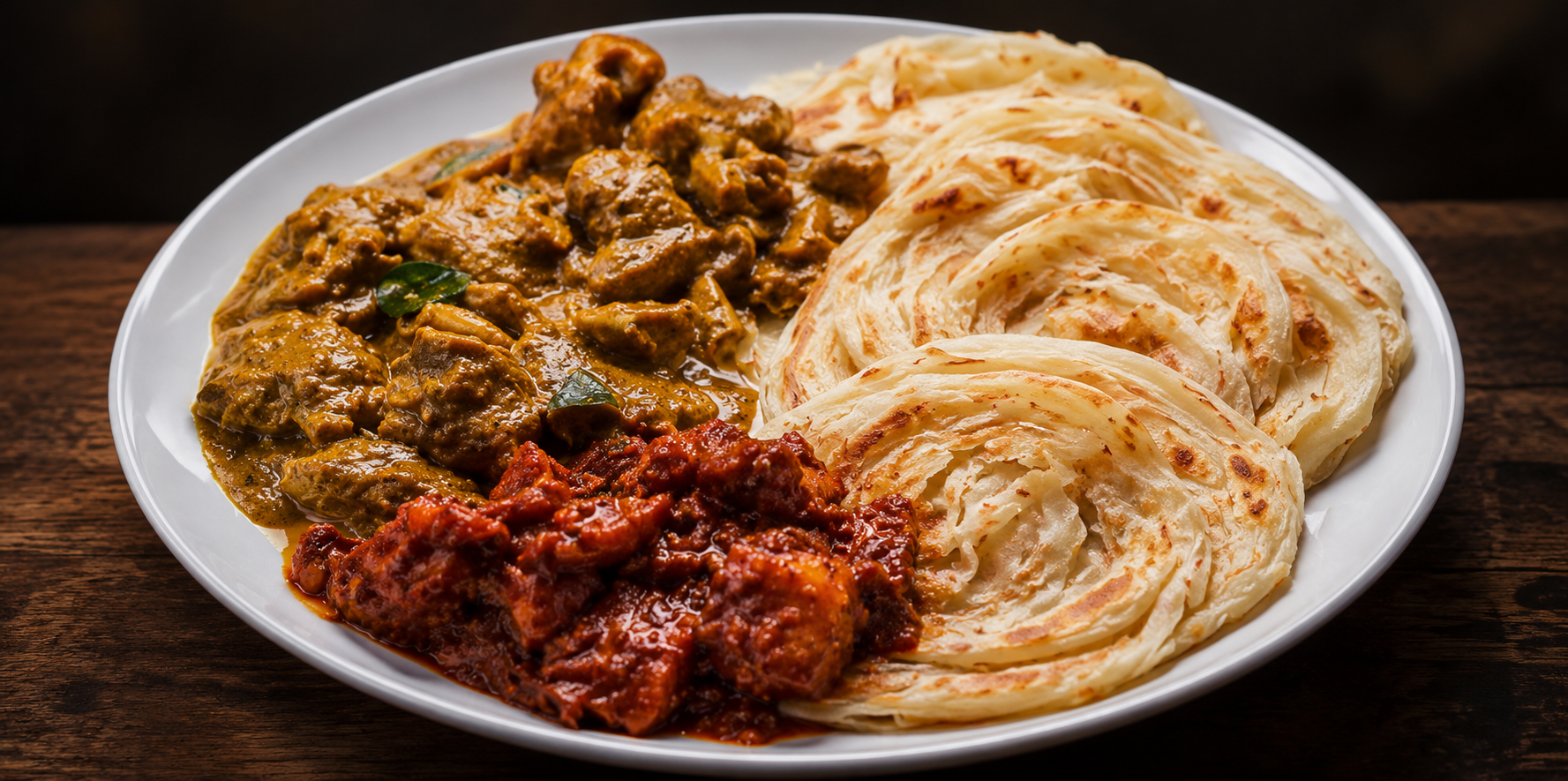
South Indian parotta is made by repeatedly stretching, folding, and layering dough before cooking it on a hot griddle. This technique creates dozens of delicate flaky layers that remain crisp outside while staying soft and chewy inside.
Unlike naan, which is baked inside a tandoor, or chapati, which is rolled into a thin flatbread, parotta depends entirely on its layered structure. After cooking, it is gently crushed by hand to separate the layers, giving it its signature light, flaky texture.
This bread is especially popular throughout Tamil Nadu and Kerala, where it is commonly paired with chicken curry, mutton curry, salna (a thin spiced gravy), or vegetarian kurma.
Three Things You May Not Know About Tamil-Style Parotta
Every Layer Is Created by Hand
One of the defining characteristics of South Indian Parotta New Jersey diners seek is its handmade preparation. Skilled cooks stretch the dough into an almost transparent sheet before folding it repeatedly, creating the flaky texture that machine-made breads simply cannot replicate.
Curry Matters as Much as the Bread
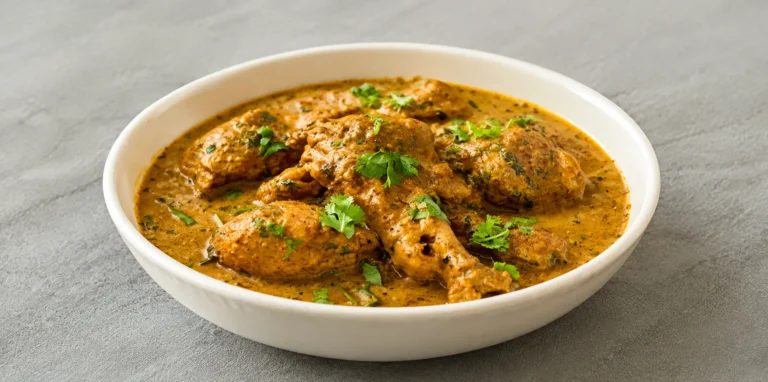
Parotta is never intended to be eaten alone. Traditional Tamil dining treats the curry as an equal partner, allowing every layer to absorb fragrant gravies made with onions, tomatoes, spices, curry leaves, ginger, garlic, and slow-cooked proteins or vegetables.
The Bread Has Multiple Regional Variations
While often associated with Tamil Nadu, parotta exists in several regional forms. Malabar Parotta New Jersey food lovers search for usually refers to the Kerala-style version, which tends to be slightly softer and richer. Tamil-style parotta is often paired with spicy salna or hearty meat curries, giving it a distinctly different character.
These subtle differences explain why regional South Indian restaurants remain important for preserving authentic recipes.
Where Can You Find Authentic Parotta and Curry in New Jersey
As interest in regional Indian cuisine continues growing across New Jersey, diners are increasingly searching for restaurants that specialize in authentic South Indian cooking rather than offering only a few South Indian dishes alongside a larger menu.
One such option is Thanjai Mess, a North Brunswick Indian Restaurant that focuses on traditional Tamil cuisine. Along with dosas, biryanis, South Indian meals, and regional specialties, the menu includes freshly prepared parotta served with flavorful curries inspired by Tamil home-style cooking.
Instead of presenting parotta as an occasional side dish, the restaurant treats it as an important part of South Indian dining culture, making it a practical recommendation for anyone specifically searching for an Indian Parotta Restaurant New Jersey or authentic Tamil-style meals.
What Should First-Time Visitors Order
If you’re trying parotta for the first time, pair it with a traditional South Indian curry that allows the bread’s flaky layers to absorb the rich gravy. Adding a regional appetizer or ending with a classic South Indian dessert creates a well-rounded introduction to Tamil cuisine.
A balanced first meal might include:
- Parotta with Chicken Curry for a classic Tamil-style pairing
- Parotta with Mutton Curry if you enjoy deeper, slow-cooked flavors
- Vegetable Kurma and Parotta for a satisfying vegetarian option
- A side of salna, the lightly spiced gravy traditionally served with parotta in many South Indian restaurants
The beauty of parotta lies in its versatility. Its crisp outer layers and soft interior complement both mildly spiced and robust curries, making it suitable for a wide range of tastes.
How Do People Traditionally Eat Parotta in Tamil Nadu
Parotta is more than bread, it’s part of a shared dining experience. In Tamil Nadu, diners often tear the parotta into bite-sized pieces before mixing it directly into the curry, allowing every layer to soak up the aromatic gravy.
This style of eating creates a balance of textures. The crisp edges soften slightly; the inner layers remain tender, and each bite carries the flavors of roasted spices, onions, tomatoes, curry leaves, and slow-cooked ingredients.
Parotta is especially popular during evening meals, family gatherings, weekend outings, and roadside “mess” dining, where freshly cooked breads are served straight from the griddle.
Understanding this tradition helps first-time visitors appreciate why parotta continues to be one of the most loved comfort foods in South India.
Practical Dining Tips for Families, Groups, and Curry Lovers
When ordering Parotta and Curry in New Jersey, choosing combinations instead of individual dishes creates a more authentic experience.
For Families
Order a mix of vegetarian and non-vegetarian curries alongside several fresh parottas. Sharing allows everyone to experience different regional flavors while keeping the meal balanced.
For Groups
Combine parotta with biryani, appetizers, and South Indian meals. This offers variety and introduces diners to multiple cooking styles from Tamil cuisine.
For Spice Lovers
Ask for traditional Tamil-style curries, which rely on layered spices such as black pepper, coriander, fennel, cumin, dried chilies, and curry leaves rather than simply increasing heat.
For Vegetarian Diners
Parotta pairs exceptionally well with vegetable kurma, paneer-based curries, and mixed vegetable gravies, making it an equally satisfying vegetarian meal.
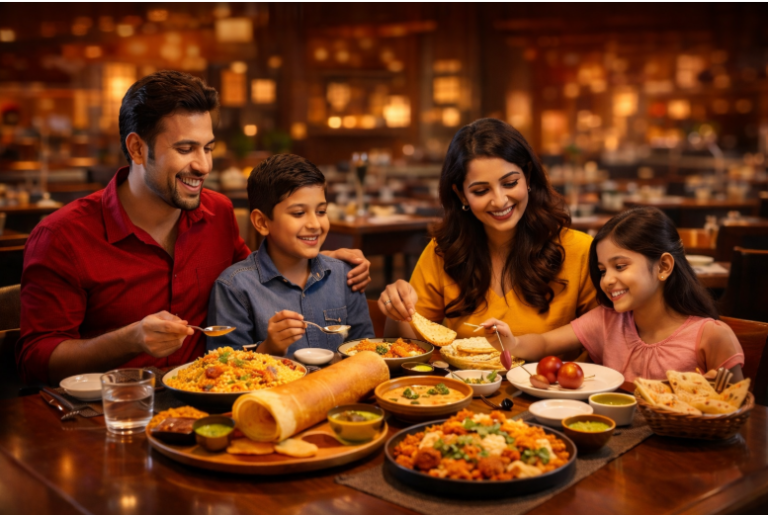
For many New Jersey families, weekend lunches and dinners have become opportunities to explore regional Indian cuisine together, making authentic South Indian restaurants increasingly popular destinations for celebrations and casual gatherings alike.
Why Authentic Regional Restaurants Matter
The growing popularity of regional Indian cuisine reflects a shift in how people explores food. Instead of searching only for “Indian restaurant,” diners increasingly look for specific regional specialties such as Tamil Style Parotta New Jersey, South Indian Curry New Jersey, or Malabar Parotta New Jersey.
Restaurants that focus on these traditions preserve cooking techniques, recipes, and dining customs that might otherwise become difficult to experience outside India.
For residents of North Brunswick and surrounding communities, restaurants like Thanjai Mess provide an opportunity to enjoy authentic South Indian flavors while learning more about the regional diversity that makes Indian cuisine so remarkable.
Frequently Asked Questions
What is the difference between Parotta and Naan?
Parotta is a layered South Indian flatbread cooked on a griddle, while naan is typically baked in a tandoor. Parotta has a flaky, buttery texture with multiple layers, whereas naan is thicker, softer, and usually served with North Indian curries.
Which curry pairs best with parotta?
Traditional chicken curry, mutton curry, salna, and vegetable kurma are among the most popular choices. Each allows the flaky layers of the parotta to absorb the rich, aromatic gravy, creating the classic South Indian dining experience.
Is parotta suitable for vegetarians?
Yes. Although many people associate parotta with meat curries, it pairs equally well with vegetable kurma, paneer dishes, mushroom curry, and mixed vegetable gravies. Many South Indian restaurants offer several vegetarian combinations.
Where can I find authentic Tamil-style parotta in New Jersey?
If you’re looking for Authentic Parotta New Jersey diners recommend, choosing a restaurant that specializes in Tamil cuisine rather than offering a general Indian menu is often the best approach. Thanjai Mess in North Brunswick serves traditional South Indian dishes, including freshly prepared parotta with a variety of authentic curries.
Regional South Indian cuisine is defined by its attention to tradition, technique, and balance, and parotta is one of its most recognizable examples. From the careful layering of the dough to the rich curries served alongside it, every element reflects generations of culinary craftsmanship.
For anyone searching for Parotta Near Me New Jersey, South Indian Curry New Jersey, or an authentic South Indian Restaurant New Jersey, exploring regional Tamil cooking offers more than just a satisfying meal. It provides a deeper understanding of South India’s food culture and highlights why restaurants such as Thanjai Mess continue to play an important role in New Jersey’s diverse dining landscape.