Best Mutton Kurma Near Me in New Jersey for Indian Food Lovers
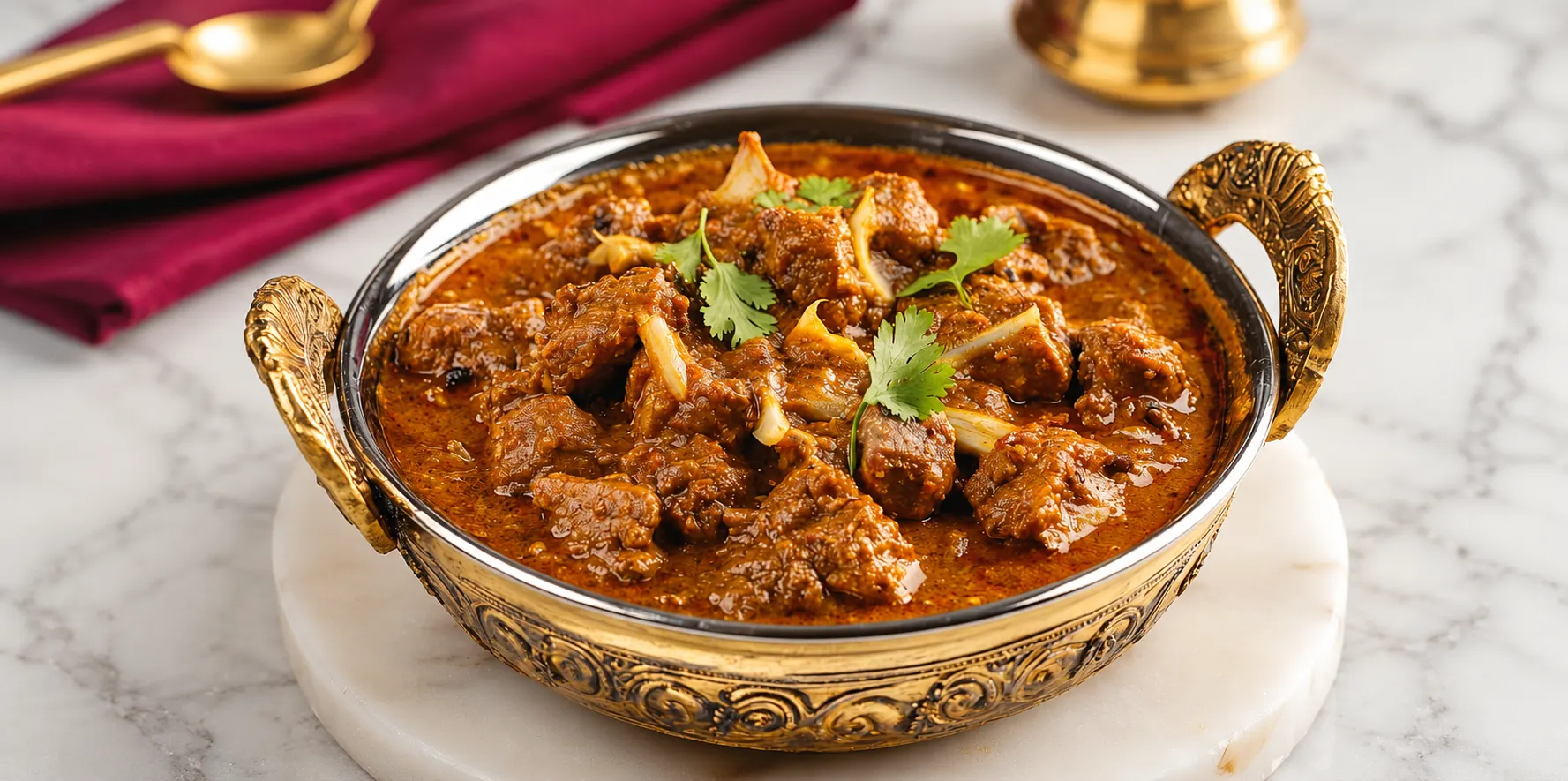
Ask ten people what kurma is and you may get ten different answers. That confusion matters when you type Mutton Kurma Near Me in New Jersey into a search bar. Some people picture a cream-rich Mughlai dish, while others remember a pale, coconut-thickened gravy from Tamil Nadu. Both are called kurma, but they taste very different. Knowing the difference before you order saves you from a disappointing plate. This guide covers what to look for, how the South Indian version is built, and where Thanjaimess in North Brunswick Township fits in.
Table of Contents
- Searching for Mutton Kurma Near Me in New Jersey: What Are You Really Looking For?
- What Is South Indian Mutton Kurma?
- How Is Kurma Different From Everyday Mutton Curry?
- Is Mutton on an Indian Menu Lamb or Goat?
- The Craft Behind an Authentic Mutton Kurma
- Where Thanjaimess Fits in the Local Picture
- What Should First-Time Visitors Order?
- How Central New Jersey Eats Indian Food
- Frequently Asked Questions.
Searching for Mutton Kurma Near Me in New Jersey: What Are You Really Looking For?
Most people who search this phrase are not browsing. They have a craving and a decision to make. Usually they want a gravy that is rich but not heavy, meat that comes off the bone easily, and something with a clear regional identity rather than a generic “curry.”
That last point is where many diners get stuck. Central New Jersey has dozens of Indian kitchens, and most menus lean North Indian. If you want South Indian mutton kurma, you are looking for a kitchen that cooks Tamil or Chettinad-influenced food, and the menu wording is your first clue. Look for coconut, fennel, and fried gram in descriptions, and for parotta or idiyappam on the side.
What Is South Indian Mutton Kurma?
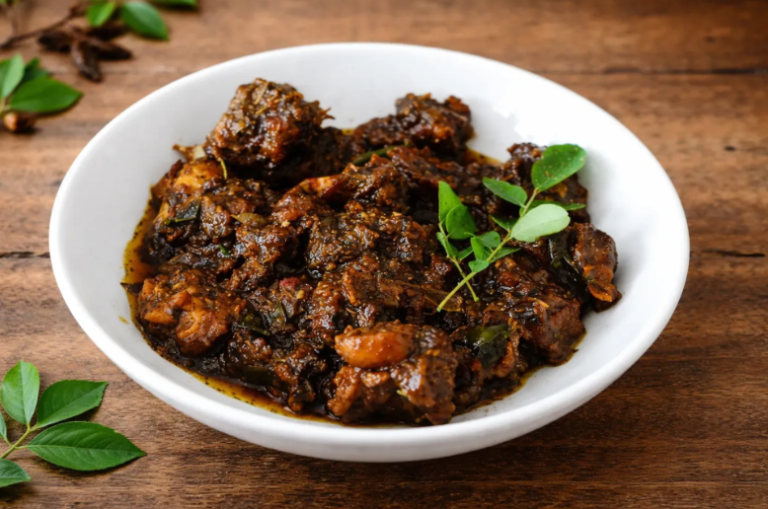
South Indian mutton kurma is a slow-cooked goat meat gravy thickened with ground coconut, fennel, and often fried gram or cashew. It is gently spiced with green chilies, cloves, and cinnamon, and it tastes aromatic and mellow rather than fiery. It is traditionally eaten with parotta, appam, idiyappam, or plain rice.
The gravy’s pale, silky body comes from the ground paste, not from cream. The meat is cooked on the bone, which gives the sauce a deeper, savory backbone. Fennel adds a faint sweetness, and a late tempering of curry leaves brings an herbal edge. If you have only had mutton in tomato-heavy North Indian gravies, this is a noticeably different dish.
How Is Kurma Different From Everyday Mutton Curry?
Kurma is built on a ground coconut-and-spice base and finished mild and aromatic. A typical mutton curry, the kind most people mean when they search for Mutton Curry Near Me, is usually onion-tomato based and sharper, with more chili heat and a thinner, oilier gravy.
That distinction is one of the more useful things to understand about Indian mutton curry as a category. Neither is better. Curry suits diners who want punch, and kurma suits those who want depth and comfort. Many South Indian households serve both at the same meal, so the two dishes complement each other rather than compete.
Is Mutton on an Indian Menu Lamb or Goat?
In Indian cooking, mutton almost always means goat, not lamb or adult sheep. This surprises many American diners. Goat is leaner and more robust in flavor, and it holds up well to long cooking, which is why it suits kurma. If you prefer a milder taste, ask your server whether lamb is an option.
Understanding this also sets expectations on texture. Properly cooked goat should be tender but still have a little bite, and the bones should be part of the experience. If you are used to boneless supermarket cuts, a bone-in plate may look unfamiliar, but that is where much of the flavor lives.
The Craft Behind an Authentic Mutton Kurma
A genuinely authentic mutton kurma depends on a few small decisions that are easy to skip in a rushed kitchen.
The paste. Fresh or freshly rehydrated coconut is ground with fennel, poppy seeds or cashews, and green chilies. A paste that is rushed or too coarse leaves the gravy grainy.
The sequence. Whole spices are tempered first, then onions are cooked down gently without heavy browning. This keeps the color light and the flavor clean.
The time. Bone-in goat needs patience. Pressure cooking and a slow simmer are common, and the aim is meat that yields to a spoon without turning stringy.
The finish. Curry leaves, a squeeze of lime, or a little fresh coriander lift the richness just before serving.
When you taste a kurma, check for balance. The coconut should be present but not sweet, the spices should be warm but not overpowering, and the gravy should coat the back of a spoon without feeling greasy.
Where Thanjaimess Fits in the Local Picture
For readers in the area, Thanjaimess is an Indian restaurant in North Brunswick Township, NJ that serves South Indian food in New Jersey with a regional, home-style approach. The name nods to Thanjavur, a Tamil Nadu region known for its rice-centered cooking and its kitchen traditions, so it makes sense that the menu emphasizes dishes meant to be eaten with rice and breads.
The restaurant is easy to reach if you live or work along the Route 1 corridor. It also serves as a practical option for diners across the area who want an Indian restaurant in South Brunswick NJ or an Indian restaurant in New Brunswick without defaulting to the same North Indian menu. If you are comparing Indian restaurants in North Brunswick, a good test is simple: look for a kitchen that treats mutton kurma as a signature preparation rather than a one-line afterthought.
What Should First-Time Visitors Order?
First-time visitors should start with mutton kurma and pair it with a flaky layered parotta or idiyappam, which are string hoppers made from rice flour. Add a simple rice dish and a vegetable side to balance the richness. This combination shows how South Indian meals are designed to complement each other.
A few practical notes make the first visit easier:
- Ordering for two: Share one mutton kurma, one bread basket, and a vegetable dish. Add rice if you want extra gravy absorption.
- Spice lovers: Pair the mild kurma with a sharper mutton preparation so you can taste both styles side by side.
- Families: Kurma’s mild heat makes it approachable for children, especially with soft breads like appam or idiyappam.
- Vegetarians in the group: Ask for a vegetable kurma made on the same coconut base. It lets everyone share the same flavors.
How Central New Jersey Eats Indian Food
Dining habits here shape what a restaurant needs to do well. Weekend meals tend to be unhurried and shared, and families often order several dishes for the table rather than individual plates. Office lunch crowds along the Route 1 corridor usually want something filling and quick, so rice meals and combos matter. Celebrations, from birthdays to festival weekends, push people toward dishes that feel special, and slow-cooked mutton fits that role well.
Because New Brunswick and the surrounding townships are home to a large South Asian community and a university population, diners tend to be informed. Many already know the difference between regional cuisines and expect menus to reflect it. That raises the standard for anyone serving a South Indian mutton kurma, and it is the reason a regional specialization matters.
Frequently Asked Questions
What makes a South Indian mutton kurma different from other mutton dishes?
It uses a ground coconut, fennel, and cashew or fried gram base instead of tomato or cream. The result is a pale, silky gravy with a mild, aromatic flavor. Goat is cooked on the bone until tender, so the sauce picks up a deep savory character without relying on heavy chili heat.
What should I eat with mutton kurma?
Parotta, appam, idiyappam, and steamed rice are the traditional partners. Parotta’s flaky layers soak up the gravy, while idiyappam keeps the meal lighter. Rice works well if you want to finish every drop of sauce. Adding a vegetable side or a simple raita-style accompaniment balances the richness nicely.
Is Thanjaimess suitable for family dining?
Yes , Kurma is mild and meant for sharing, which suits family meals and small groups. Thanjaimess in North Brunswick Township offers the kind of South Indian menu where several dishes can go to the table at once. For large gatherings or celebrations, it is sensible to call ahead and confirm seating and hours.
Is mutton kurma very spicy?
Usually not. Compared with Chettinad-style mutton curry, kurma is gentler, with warmth from green chilies and whole spices rather than sharp heat. Spice levels vary by kitchen, so tell your server your preference. Most restaurants will adjust, and a sharper side dish can be added if you want contrast.