Best Fish Curry Near Me in New Jersey for Seafood Lovers
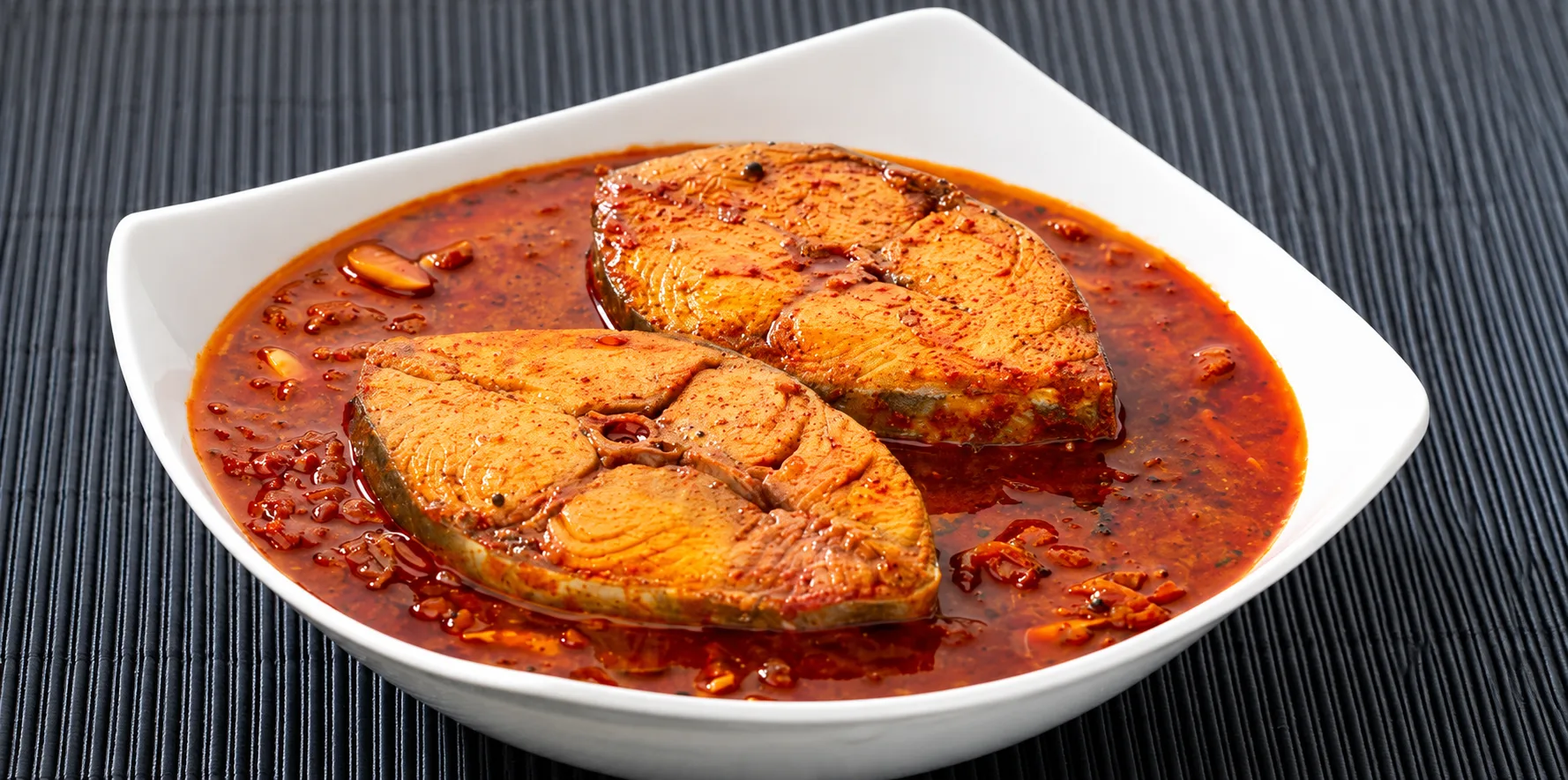
Finding authentic seafood dishes outside coastal regions can be challenging because great fish-based cuisine depends on more than fresh ingredients. Diners searching for the Best Fish Curry Near Me in New Jersey are often looking for a dish that offers traditional flavors, regional cooking methods, and the right balance of spices without losing the natural taste of seafood.
Indian seafood cuisine is deeply connected to geography. Coastal states such as Tamil Nadu, Kerala, Andhra Pradesh, and Goa have developed unique fish preparations influenced by local ingredients, climate, and cultural traditions. A traditional fish curry is not simply a spicy sauce with seafood; it is a carefully prepared dish where tamarind, coconut, spices, herbs, and cooking techniques work together.
For seafood lovers exploring Indian Food Near Me in New Jersey, understanding what makes regional fish curry special can help them choose dishes that reflect authentic Indian culinary traditions.
What Makes Indian Fish Curry Different From Other Seafood Dishes?
Indian fish curry stands out because it combines fresh seafood with carefully balanced spices, aromatic ingredients, and regional cooking techniques. Unlike many seafood dishes that focus mainly on seasoning, Indian fish curry builds flavor through layers of preparation, including marination, spice tempering, and slow simmering.
The foundation of a good fish curry begins with selecting the right fish and preparing it properly. The seafood should maintain its natural flavor while absorbing the spices and sauce surrounding it.
Traditional Indian fish curries often include:
- Fresh fish cooked with regional spice blends
- Tamarind or other souring ingredients for balance
- Curry leaves for aroma
- Onions, garlic, ginger, and chilies for depth
- Coconut or coconut milk in certain coastal variations
The result is a dish that combines richness, spice, acidity, and freshness in every bite.
The Regional Story Behind South Indian Fish Curry
South Indian seafood cuisine reflects the traditions of communities living near rivers and coastlines. Different states have developed their own versions of fish curry based on local ingredients and cultural preferences.
Tamil Nadu-style fish curry, often known as Meen Kulambu, is recognized for its bold use of tamarind, spices, and aromatic ingredients. The tangy flavor from tamarind creates a distinctive taste that pairs beautifully with rice.
Kerala-style fish curry often highlights coconut-based flavors, while Andhra seafood preparations are known for their stronger spice profiles.
These regional differences show why Indian seafood is so diverse. The phrase “fish curry” represents many different dishes rather than one single recipe.
What Ingredients Create the Signature Flavor of Fish Curry?
The unique taste of traditional fish curry comes from the combination of fresh seafood, spice blends, souring ingredients, and aromatic tempering. Ingredients such as tamarind, curry leaves, mustard seeds, garlic, ginger, and chilies create the layered flavors that define South Indian seafood cooking.
Tamarind for Tangy Balance
Tamarind plays an important role in many South Indian fish curries. Its natural sourness balances the richness of seafood while adding depth to the curry base.
Curry Leaves and Tempered Spices
Curry leaves, mustard seeds, and dried chilies are often heated in oil to release their aroma before becoming part of the dish. This process creates the signature fragrance associated with South Indian cooking.
Fresh Seafood Preparation
The quality of the fish influences the final dish. Proper cleaning, seasoning, and cooking time help preserve the texture while allowing the curry flavors to develop.
Understanding these techniques helps diners appreciate why authentic seafood dishes require careful preparation rather than simply adding spices to fish.
Exploring Seafood Traditions at Thanjai Mess
For diners searching for an Indian Restaurant New Jersey experience that highlights traditional flavors, Thanjai Mess offers South Indian-inspired dishes rooted in regional cooking traditions.
Located in North Brunswick Township, New Jersey, Thanjai Mess represents the connection between Indian food culture and community dining. The restaurant brings attention to traditional preparations, including seafood dishes that reflect the flavors commonly enjoyed in South Indian households.
For guests exploring South Indian Fish Curry in New Jersey, dishes inspired by Tamil culinary traditions provide an opportunity to experience the balance of tanginess, spice, and aromatic ingredients that define regional seafood cooking.
Beyond seafood specialties, diners can explore a wider range of South Indian dishes that showcase rice preparations, curries, vegetarian options, and traditional accompaniments.
What Should First-Time Visitors Order With Fish Curry?
First-time visitors trying fish curry should pair it with traditional accompaniments that complement the curry’s flavors. Steamed rice, South Indian breads, and regional side dishes help balance the spices while allowing the seafood flavors to stand out.
Steamed Rice
Rice is one of the most traditional pairings for South Indian fish curry. The grains absorb the tangy, spiced curry, creating a comforting combination with every bite.
South Indian Side Dishes
Depending on availability, diners may enjoy fish curry with:
- Vegetable curries
- Lentil-based dishes
- Pickles
- Crispy appetizers
- Traditional rice preparations
These additions create a complete meal rather than focusing on only one dish.
Seafood Lovers Exploring Indian Cuisine
Guests who enjoy seafood can also explore other regional Indian seafood preparations. Different cooking styles may include grilled seafood, spicy seafood curries, and coastal-inspired dishes featuring unique spice combinations.
Why North Brunswick Diners Enjoy Regional Indian Seafood
North Brunswick Township has a diverse dining community where residents enjoy exploring cuisines from different cultures. Indian restaurants have become popular gathering places for families, professionals, and community groups looking for flavorful meals with variety.
Seafood dishes are especially appealing because they provide a connection to coastal Indian traditions while being available locally.
Many diners visit Indian restaurants for:
- Family dinners
- Weekend meals
- Cultural celebrations
- Group gatherings
- Takeout options for busy schedules
For those searching for Indian Food Takeout New Jersey, seafood curries and rice-based meals can provide convenient options while maintaining traditional flavors.
How South Indian Cuisine Celebrates Seafood Culture
South Indian seafood cuisine reflects the relationship between local ingredients and regional traditions. Coastal communities have developed cooking methods that highlight seafood freshness while using spices, herbs, and preparation techniques passed through generations.
Seafood has long been part of South Indian food culture because of the region’s access to coastal resources. Recipes are often influenced by family traditions, festivals, and everyday home cooking.
Fish curry represents more than a meal—it represents the connection between geography, agriculture, and culinary identity.
This is why regional restaurants are important. They help diners experience food traditions that may otherwise remain unfamiliar.
What Makes South Indian Fish Curry Different From Other Indian Seafood Dishes?
South Indian fish curry is different because it often emphasizes tangy flavors, curry leaves, regional spice blends, and rice-based pairings. While seafood dishes across India vary widely, South Indian versions frequently highlight the balance between sour, spicy, and aromatic elements.
For example, a Tamil-style curry may focus on tamarind and spices, while coastal Kerala versions may feature coconut-based sauces.
Exploring these differences allows diners to understand the diversity within Indian seafood cuisine.
Frequently Asked Questions About Fish Curry in New Jersey
What makes traditional fish curry unique?
Traditional fish curry is unique because it combines fresh seafood with regional ingredients and cooking methods. The use of tamarind, spices, herbs, and slow preparation creates a dish where each ingredient contributes to the overall flavor. Different regions of India prepare fish curry differently, making each variation connected to its local food culture.
Is South Indian fish curry spicy?
South Indian fish curry can range from mild to spicy depending on the region and preparation style. The spice level usually works together with ingredients like tamarind, coconut, and aromatic spices to create balance rather than only heat. Diners can often find versions that suit different spice preferences.
What should I eat with fish curry?
Fish curry is traditionally enjoyed with steamed rice because the rice absorbs the flavorful curry sauce. Many diners also pair it with vegetable dishes, pickles, and other South Indian accompaniments to create a complete meal with different textures and flavors.
Is Thanjai Mess suitable for families looking for Indian seafood?
Thanjai Mess offers a setting where families can explore South Indian cuisine together. With seafood specialties alongside other traditional Indian dishes, groups with different preferences can enjoy a variety of flavors during family meals, weekend dining, and cultural gatherings.
Indian seafood cuisine continues to attract diners because it combines tradition, regional identity, and thoughtful preparation. For seafood lovers in New Jersey, exploring fish curry is an opportunity to experience the flavors of South Indian coastal cooking while discovering how ingredients and techniques create meaningful culinary traditions. Thanjai Mess provides a connection to these regional flavors within the North Brunswick dining community, making Indian seafood part of the area’s diverse food culture.