Best Spicy Crab Masala in New Jersey for Seafood Fans
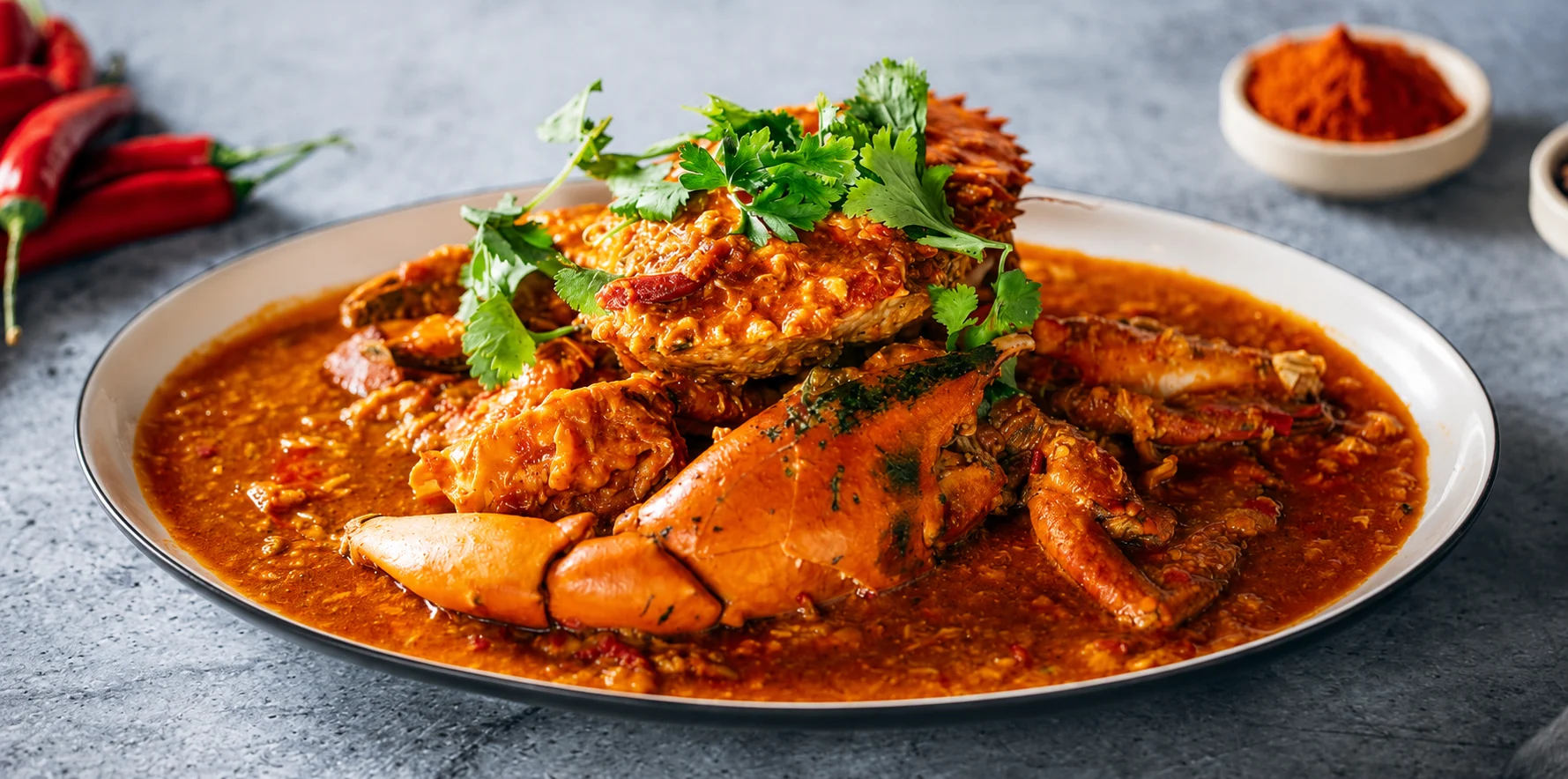
Finding authentic seafood dishes outside coastal regions can sometimes be challenging because traditional seafood recipes often depend on regional ingredients, spice combinations, and cooking methods passed through generations. For seafood lovers searching for the Best Crab Masala in New Jersey, the goal is usually not just finding crab on a menu but discovering a dish that captures the bold flavors, aromas, and traditions of Indian coastal cooking.
Indian seafood cuisine is incredibly diverse. From coconut-based coastal curries to fiery South Indian masalas, each region has its own approach to preparing seafood. A well-made crab masala highlights this diversity by combining fresh seafood with carefully layered spices, creating a dish that is rich, aromatic, and deeply connected to culinary heritage.
For diners exploring Indian Food New Jersey or searching for an Indian Restaurant Near Me, understanding the story behind dishes like crab masala helps them make informed dining choices. This guide explores what makes Indian crab masala unique, how it is traditionally prepared, and how Thanjai Mess introduces South Indian seafood flavors to diners in North Brunswick Township, New Jersey.
Why Are People Searching for the Best Crab Masala in New Jersey?
When diners search for the Best Crab Masala in New Jersey, they are often looking for a seafood experience that combines freshness, spice, and traditional preparation. The search is not only about finding crab; it is about discovering authentic flavors that reflect Indian culinary culture.
People searching for Crab Masala Near Me or Indian Crab Masala in New Jersey are usually interested in:
- Authentic South Indian seafood recipes
- Restaurants offering regional Indian dishes
- Flavorful alternatives to everyday seafood meals
- Family-friendly dining options
- Traditional Indian cooking techniques
Seafood has always played an important role in Indian cuisine, especially in coastal states where communities developed unique methods for preparing fish, prawns, crab, and other seafood.
What Makes Indian Crab Masala Different From Other Seafood Dishes?
Indian crab masala is different because it combines fresh crab with a carefully balanced blend of roasted spices, aromatics, and regional ingredients. Unlike simple seafood preparations, Indian crab masala focuses on building layers of flavor through spice tempering, slow cooking, and traditional masala techniques.
The uniqueness of crab masala comes from the way spices interact with seafood.
Important ingredients often include:
- Fresh crab
- Onions
- Tomatoes
- Ginger and garlic
- Curry leaves
- Chili
- Coriander
- Turmeric
- Regional spice blends
The goal is not to overpower the seafood but to enhance its natural sweetness.
Crab meat has a delicate flavor, so skilled preparation is important. The spices should create warmth and aroma while allowing the seafood’s natural taste to remain noticeable.
The South Indian Seafood Tradition Behind Crab Masala
South Indian seafood cuisine is known for combining fresh seafood with bold spices, coconut, curry leaves, tamarind, and regional cooking techniques. Coastal communities have developed seafood recipes that highlight local ingredients while maintaining a balance of spice, sourness, and aroma.
One interesting detail many diners may not know is that South Indian seafood dishes often vary significantly between states.
For example:
- Tamil cuisine often uses ingredients like curry leaves, black pepper, chili, and tamarind.
- Kerala seafood cooking frequently incorporates coconut-based flavors.
- Andhra seafood dishes are known for bold spice profiles.
- Coastal Karnataka cuisine often combines seafood with unique spice blends.
This regional diversity is what makes exploring South Indian Crab Masala a unique culinary experience.
Crab dishes are also connected to traditional fishing communities, where recipes developed around seasonal seafood availability and local ingredients.
How Is Authentic Crab Masala Prepared?
Authentic crab masala is prepared by cooking crab with a flavorful mixture of onions, spices, herbs, and aromatics until the seafood absorbs the masala while maintaining its natural sweetness and texture. The cooking process focuses on layering flavors rather than simply adding heat.
Traditional preparation usually includes:
Building the Spice Base
Onions, ginger, garlic, and spices are cooked together to create the foundation of the dish. This step develops the deep aroma associated with Indian seafood curries.
Adding Regional Flavors
Ingredients such as curry leaves, chili, coriander, and turmeric contribute color, fragrance, and complexity.
Cooking the Crab
The crab is added carefully so the meat absorbs the spices without becoming tough.
Finishing the Dish
Fresh herbs and final seasoning adjustments complete the preparation.
The result is a seafood dish with:
- A rich masala coating
- Aromatic spice notes
- Tender crab meat
- A balance of savory and spicy flavors
Exploring South Indian Seafood Flavors at Thanjai Mess
For diners looking for an Indian Restaurant New Jersey that offers traditional regional flavors, exploring restaurants focused on South Indian cuisine can provide a deeper connection to authentic cooking.
Thanjai Mess brings South Indian food traditions to North Brunswick Township, New Jersey, offering dishes inspired by Tamil culinary influences.
Tamil cuisine has a strong connection with seafood, especially in regions where coastal ingredients and traditional spice combinations shape everyday meals. Dishes like crab masala reflect this relationship between local ingredients and regional cooking methods.
For guests searching for Indian Seafood Near Me, exploring a restaurant with South Indian influences allows them to experience seafood prepared with traditional spice techniques rather than standard seafood preparations.
What Should First-Time Visitors Order With Crab Masala?
First-time visitors should pair crab masala with traditional South Indian accompaniments that complement its bold flavors. Rice-based dishes, breads, and other regional specialties help balance the spices while allowing diners to experience the full character of the seafood dish.
Some practical combinations include:
Crab Masala With Rice
Rice is one of the most natural pairings because it absorbs the flavorful masala. The combination creates a satisfying meal where every bite includes both seafood and aromatic spices.
Crab Masala With Indian Breads
Soft breads can help enjoy the thick masala sauce while adding a different texture to the meal.
Seafood And Other South Indian Specialties
Guests exploring Indian Food Near Me can combine seafood dishes with vegetarian sides or traditional appetizers to experience different aspects of Indian cuisine.
Spice Preferences
First-time diners may want to ask about spice levels because South Indian seafood dishes can range from mildly aromatic to intensely spicy.
Why Regional Indian Seafood Matters in New Jersey’s Dining Scene
New Jersey’s diverse food culture has created growing interest in regional Indian cuisine. Diners are increasingly looking beyond familiar dishes and exploring food traditions from different parts of India.
Regional seafood dishes provide:
- Cultural connection
- Unique ingredient combinations
- Traditional preparation methods
- New dining experiences
For seafood fans searching for the Best Seafood Restaurant Near Me in New Jersey, understanding regional cooking styles helps them discover why certain dishes stand out.
Indian restaurants also serve as gathering places for families and communities. Shared meals allow diners to explore multiple dishes and experience different flavors together.
How Families Enjoy Indian Seafood Restaurants
Families often enjoy Indian seafood restaurants because menus typically offer variety, allowing different guests to choose dishes based on their preferences. Seafood specialties can be enjoyed alongside vegetarian dishes, rice preparations, and traditional favorites.
For family dining occasions such as:
- Weekend dinners
- Celebrations
- Community gatherings
- Special meals
Indian restaurants provide options for different tastes.
A seafood-focused dish like crab masala can become part of a larger shared meal where everyone explores different flavors from the menu.
Frequently Asked Questions About Crab Masala and Indian Cuisine
What makes Indian crab masala unique?
Indian crab masala is unique because it combines fresh seafood with traditional spice blends, aromatics, and regional cooking techniques. The dish focuses on enhancing the natural sweetness of crab while adding layers of flavor through carefully prepared masala.
Is crab masala spicy?
Crab masala can range from mildly spiced to very spicy depending on the regional style and preparation. South Indian versions often include bold spices, but the heat level can usually be adjusted based on preference.
What should I eat with crab masala?
Crab masala pairs well with rice, Indian breads, and other South Indian dishes. Rice helps absorb the flavorful sauce, while breads provide a different texture combination.
Is Thanjai Mess suitable for family dining?
Thanjai Mess offers a menu inspired by South Indian cuisine, making it suitable for diners who enjoy exploring regional dishes. Families can enjoy seafood specialties along with other traditional Indian food options.
The Growing Appreciation for South Indian Seafood in New Jersey
The interest in dishes like crab masala reflects a larger appreciation for regional Indian cuisine. Seafood recipes carry stories of coastal communities, traditional cooking methods, and the relationship between local ingredients and culture.
For diners searching for Best Crab Masala in New Jersey, the experience is about discovering the techniques and traditions behind the dish. Restaurants like Thanjai Mess contribute to New Jersey’s diverse food landscape by introducing guests to South Indian flavors and seafood preparations that connect culinary heritage with modern dining preferences.
Crab masala is more than a seafood dish; it represents the creativity, regional identity, and rich food traditions that continue to make Indian cuisine meaningful for seafood lovers.